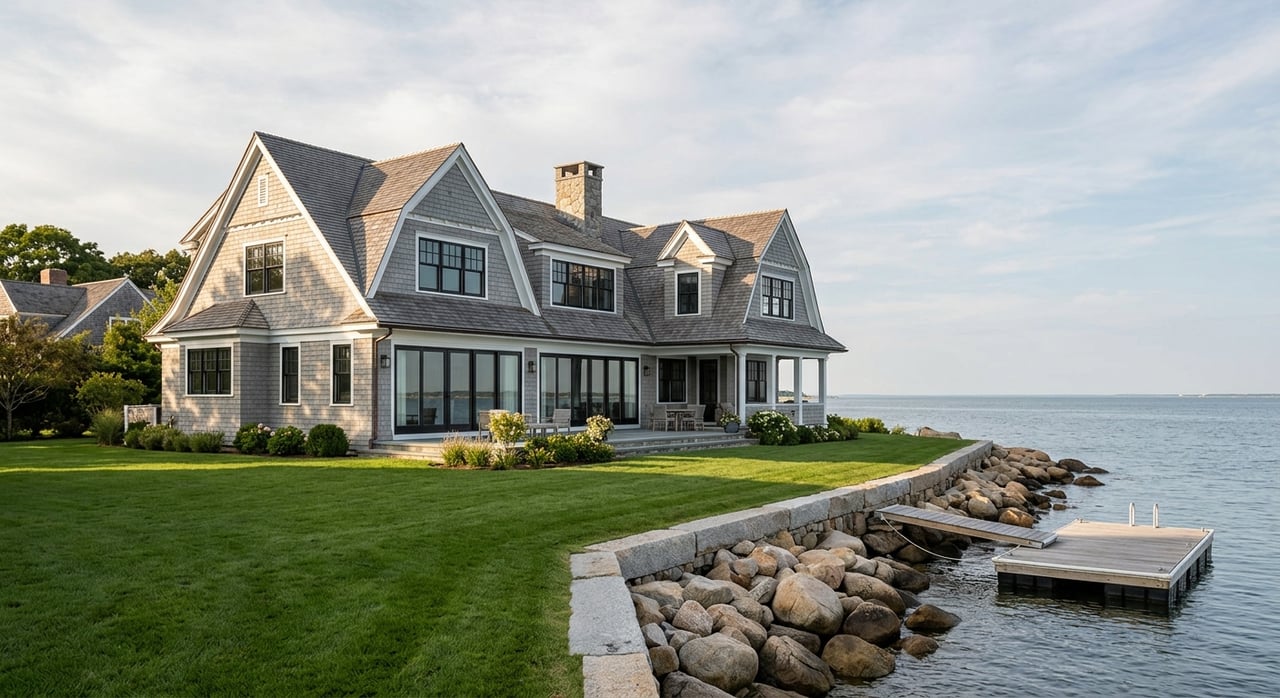
If you are drawn to the water, Norwalk gives you more than one version of coastal living. Along the same shoreline, you can find an urban harbor setting, a village-like beach community, a balanced commuter-friendly district, and quieter residential pockets near the Sound. Understanding those differences can help you focus your search, avoid surprises, and choose a neighborhood that truly fits your routine and priorities. Let’s dive in.
A Guide to Norwalk Waterfront Neighborhoods
Norwalk’s shoreline works more like a collection of distinct coastal districts than one single waterfront market. South Norwalk, East Norwalk, and Rowayton each have their own identity, and the city also organizes them through separate taxing districts.
That distinction matters because lifestyle, housing feel, and even certain services can vary from one area to another. The city notes that different taxing districts may receive different mixes of services, such as sewer, water, and garbage collection, with different property tax rates tied to that service mix.
Norwalk is also a major boating center. The city says Norwalk Harbor includes 15 marinas, 13 private clubs with boating facilities, more than 1,800 berthing spaces, and more than 500 mooring locations. For buyers, that means waterfront living here can range from marina access and harbor views to beach routines and quieter residential streets.
Rowayton offers village-coastal living
Rowayton is often the best fit if you want a true coastal village atmosphere. Visit Norwalk describes it as a haven for boaters and beach-goers, with shops, neighborhood restaurants, parks, and a full community calendar.
The overall feel is low-rise, walkable, and rooted in maritime character. The city’s Rowayton Avenue Village District guidelines are designed to protect waterfront views, maritime uses, walkability, and historic character, which helps preserve the area’s traditional New England coastal identity.
For many buyers, Rowayton feels self-contained in a way that is unusual along the Connecticut coast. The Sixth District has its own library, beach, two parks, volunteer fire department, and garbage collection, which adds to the sense of an independent village within Norwalk.
What daily life feels like in Rowayton
Life in Rowayton tends to center on local routines rather than big-city convenience. You may picture mornings near the water, afternoons at the park or beach, and evenings at a neighborhood restaurant.
Boating and dining are woven into the area’s lifestyle. The Restaurant at Rowayton Seafood sits on the Five Mile River and offers boat docking with advance booking, which says a lot about how naturally the waterfront shapes daily life here.
Who Rowayton may suit best
Rowayton can appeal to buyers who want:
- A strong neighborhood identity
- A village setting with coastal character
- Easy access to boating and beach amenities
- A quieter pace than a more urban district
If your ideal waterfront life is charming, community-oriented, and distinctly coastal, Rowayton may feel like the clearest match.
South Norwalk brings urban harbor energy
South Norwalk, often called SoNo, is the most urban waterfront option in this comparison. Visit Norwalk describes it as a historic boat harbor that has grown into a dining, retail, and entertainment destination with an expanding business and residential community.
This is the waterfront for buyers who want activity close at hand. The neighborhood’s mixed-use character sets it apart from the lower-density feel of Rowayton and the quieter residential pockets elsewhere along the shoreline.
The SoNo Collection adds another layer to that lifestyle. It brings shopping, dining, art, and entertainment close to I-95, reinforcing SoNo’s role as a center for people who want convenience and energy near the harbor.
Why SoNo stands out for commuters
If rail access is high on your list, SoNo deserves a close look. South Norwalk station is an accessible Metro-North stop with elevators, ramps, tactile warning strips, audiovisual passenger information systems, ticket machines, restrooms, and Norwalk Transit connections.
That transportation profile makes SoNo especially attractive if you want a more walkable, car-light routine. For buyers balancing waterfront living with a regular New York commute, SoNo may offer the most direct blend of shoreline atmosphere and rail convenience.
Who SoNo may suit best
South Norwalk may be the right fit if you value:
- Dining and entertainment nearby
- A more urban neighborhood rhythm
- Strong Metro-North access
- Mixed-use residential surroundings
If you want your waterfront lifestyle to include energy, access, and a more connected daily routine, SoNo stands apart.
East Norwalk balances beach and practicality
East Norwalk sits in the middle in the best sense of the word. It offers shoreline access and public waterfront amenities while also supporting a more practical commuter routine than a purely village setting.
The city’s NorWALKer program includes an East Norwalk & Beach route, which reflects how closely the neighborhood is tied to both walking access and the shoreline. East Norwalk also has its own accessible Metro-North station, with ramp access, ticket machines, and Norwalk Transit connections.
For many buyers, this creates a compelling middle ground. You can stay close to the water without giving up the everyday convenience that matters during a workweek.
Public waterfront amenities in East Norwalk
East Norwalk has some of the city’s largest public beach and marina assets. Veterans Memorial Park and Marina is a 35-acre facility with a marina, boat launch, visitor docks, walking paths, and fields.
Nearby, Calf Pasture and Shady Beach offer three-quarters of a mile of coastline, along with a sailing school, splash pad, skate park, and seasonal events. This gives East Norwalk a more public, active waterfront feel than some of the quieter residential shoreline pockets.
It is worth noting that the city enforces summer parking and resident-pass rules at these facilities. So while beach access is a real part of the lifestyle, it comes with operational details buyers should understand.
East Norwalk’s housing feel
East Norwalk reads as more residential and historically sensitive than SoNo. The East Norwalk Village TOD guidelines emphasize neighborhood scale, pedestrian orientation, and a design vocabulary tied to maritime materials and historic character.
That supports a housing mix where traditional homes, smaller-scale infill, multifamily buildings, office, retail, and mixed-use forms can coexist. If you want a waterfront area that feels balanced rather than purely urban or purely village-like, East Norwalk often fits that brief.
Shorehaven offers a quieter coastal edge
The Shorehaven-area pockets bring a different kind of waterfront appeal. Compared with SoNo, Rowayton’s village core, or East Norwalk’s public waterfront activity, this area reads as quieter, more private, and more residential.
Shorehaven Golf Club describes itself as a private golf and country club on the shoreline of Long Island Sound. That club presence, combined with city coastal management filings for nearby residential and dock-related work, points to a setting where single-family coastal living and waterfront due diligence often go hand in hand.
This is the part of Norwalk’s waterfront that may appeal most to buyers seeking privacy and a lower-profile shoreline experience. The tradeoff is that waterfront considerations can become more important here, especially when evaluating site conditions, flood compliance, and improvements near the water.
Who the Shorehaven corridor may suit
This area may be worth exploring if you are looking for:
- A quieter residential setting
- A single-family coastal feel
- A more private waterfront environment
- Close attention to property-specific waterfront details
For some buyers, that privacy is the main draw. For others, it is a reminder that not every waterfront home offers the same ease of ownership.
Key issues every waterfront buyer should know
No matter which Norwalk waterfront neighborhood you prefer, two practical issues deserve careful attention.
Coastal approvals can affect plans
Norwalk says its coastal area falls within a Coastal Area Management zone, and certain work in that zone requires a Coastal Site Plan Application. For buyers, that can matter if you are considering additions, dock work, or other shoreline improvements.
A home may look turnkey at first glance, but your future plans could still require additional review. That is one reason waterfront purchases often benefit from deeper local guidance before you make assumptions about what can be changed.
Taxing districts affect services and costs
District boundaries are not just a map detail. The city explains that different taxing districts can come with different service structures, which may affect ownership costs and day-to-day expectations.
If you are comparing two homes in different parts of Norwalk, this is worth reviewing early. It is one of those details that can shape value in ways that are easy to miss during an initial search.
How to choose the right Norwalk waterfront area
A simple shorthand can help narrow the field:
- Rowayton: village coast, neighborhood restaurants, strong community identity
- South Norwalk: urban harbor, dining and entertainment, rail-first convenience
- East Norwalk: beach, marina, commuter access, more residential balance
- Shorehaven corridor: quieter coastal residential edge with more property-specific due diligence
The right fit depends on how you want to live, not just how close you want to be to the water. Some buyers want walkable dining and train access. Others want a village atmosphere, a marina-centered routine, or a more private residential shoreline.
When you look at Norwalk through that lens, the waterfront becomes easier to understand. Instead of asking which neighborhood is best, the better question is which one fits your version of coastal living.
If you are thinking about buying or selling along the Norwalk waterfront, working with an advisor who understands neighborhood nuance, coastal property considerations, and lifestyle fit can make the process far more strategic. For a thoughtful, discreet conversation about your next move, connect with Susan Vanech.
FAQs
What is the main difference between Rowayton and South Norwalk waterfront living?
- Rowayton offers a more village-like coastal setting with neighborhood restaurants, beach access, and strong community identity, while South Norwalk offers a more urban harbor environment with dining, entertainment, and stronger rail convenience.
Is East Norwalk a good option for buyers who need commuter access?
- Yes. East Norwalk has its own accessible Metro-North station and also offers close access to beaches, marinas, and public waterfront amenities.
What should buyers know about waterfront property rules in Norwalk?
- Norwalk regulates its coastal area through Coastal Area Management rules, and certain shoreline projects may require a Coastal Site Plan Application.
Why do taxing districts matter when buying in Norwalk?
- The city says different taxing districts can provide different mixes of services, such as sewer, water, and garbage collection, and those differences can affect property tax rates and ownership expectations.
Which Norwalk waterfront area feels the quietest?
- The Shorehaven-area coastal pockets generally read as the quietest and most private option in this comparison, with a more residential single-family feel and closer attention to waterfront due diligence.