If your Westport home is entering the market, design is not the finishing touch. It is part of the strategy. In a town where buyers compare waterfront settings, village convenience, architectural character, and turnkey presentation, how your home looks and feels from the very first image can shape both interest and pricing power. This guide walks you through the design-led steps that can help your listing stand out before it ever goes public. Let’s dive in.
Why design matters in Westport
Westport is a luxury market, but it is not one single price point or buyer profile. June 2026 market snapshots showed a median listing price of $3.395 million, with notable variation by area, including neighborhood medians of $4.45 million in Greens Farms and $6.09 million in Saugatuck. That spread matters because buyers are not just comparing square footage. They are comparing setting, condition, privacy, access, and lifestyle fit.
That is why presentation should be treated as part of pricing, not as decoration. In a segmented market, buyers often decide value by how clearly a home communicates its lifestyle story. A polished listing can help your property feel aligned with the expectations of its likely buyer pool.
Start with the buyer’s first impression
Most buyers begin online, and the digital experience plays an outsized role in luxury decisions. Research from the National Association of Realtors shows that among buyers who use the internet, the most useful website features are photos, detailed property information, floor plans, virtual tours, and videos. In practical terms, that means your launch materials are not extras. They are central to how buyers assess the home.
Your first impression starts before showing day. It begins with the lead photo, the order of images, the feeling of the entry, and whether each room reads as intentional, calm, and move-in ready. In Westport, where buyers may be balancing coastline access, commuter convenience, and design expectations, every visual cue contributes to perceived value.
Focus on edits with visible impact
A design-led prep plan does not have to mean a full renovation. In many cases, the best return comes from selective improvements that sharpen the home’s presentation without over-customizing it. The goal is to help buyers visualize themselves in the property while making the home feel cared for and current.
The highest-impact areas often include:
- Decluttering and editing personal items
- Deep cleaning throughout the house
- Fresh paint in calm, neutral tones
- Updated lighting and hardware
- Storage and closet organization
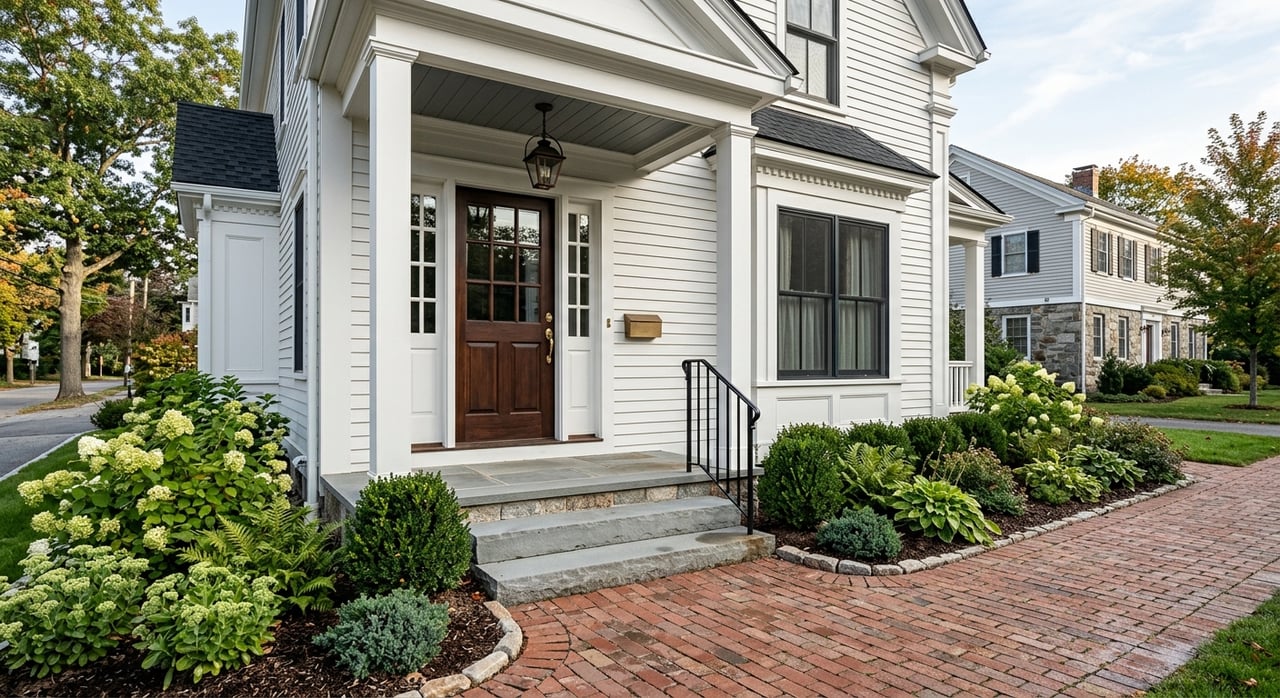
- Landscaping and entry curb appeal
- Selective kitchen or bath refreshes
- Flooring improvements where needed
This approach aligns with 2025 staging research from the National Association of Realtors. In that report, 83% of buyers’ agents said staging made it easier for buyers to visualize a property as their future home, 29% saw a 1% to 10% increase in the value offered, and 49% of sellers’ agents reported reduced time on market.
Prioritize the rooms buyers notice most
Not every space needs the same level of attention. According to the same 2025 staging report, the most commonly staged rooms are the living room, primary bedroom, dining room, and kitchen. Those spaces tend to carry the emotional weight of the home and often appear early in the online photo sequence.
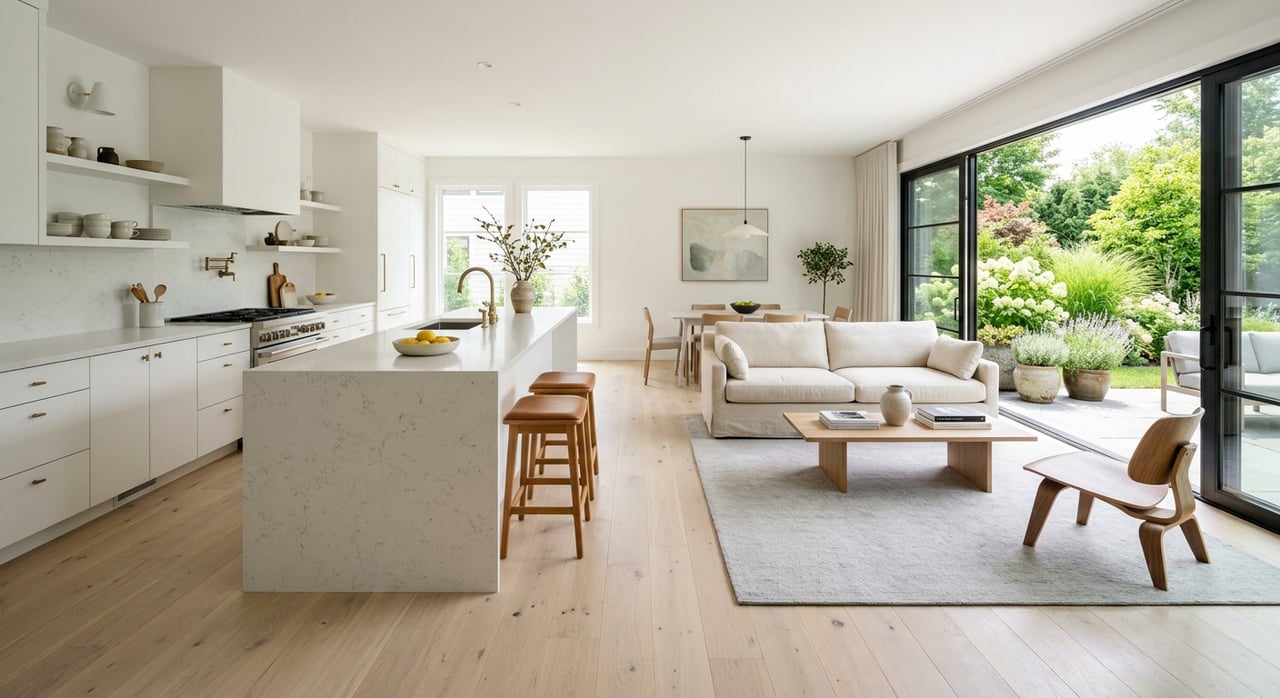
If you are deciding where to invest, begin there. A serene primary suite, a balanced living room, and a bright, edited kitchen can do more for buyer response than spreading your budget thinly across every room. In luxury marketing, restraint often reads better than excess.
Tell a Westport-specific lifestyle story
Luxury buyers in Westport are not only buying a house. They are buying into a way of living. The town’s official materials highlight its Long Island Sound coastline, four town beaches, two Metro-North stations with commuter shuttle service, Longshore Golf, the Westport Library, riverwalk and downtown parks, and a strong arts-and-culture presence.
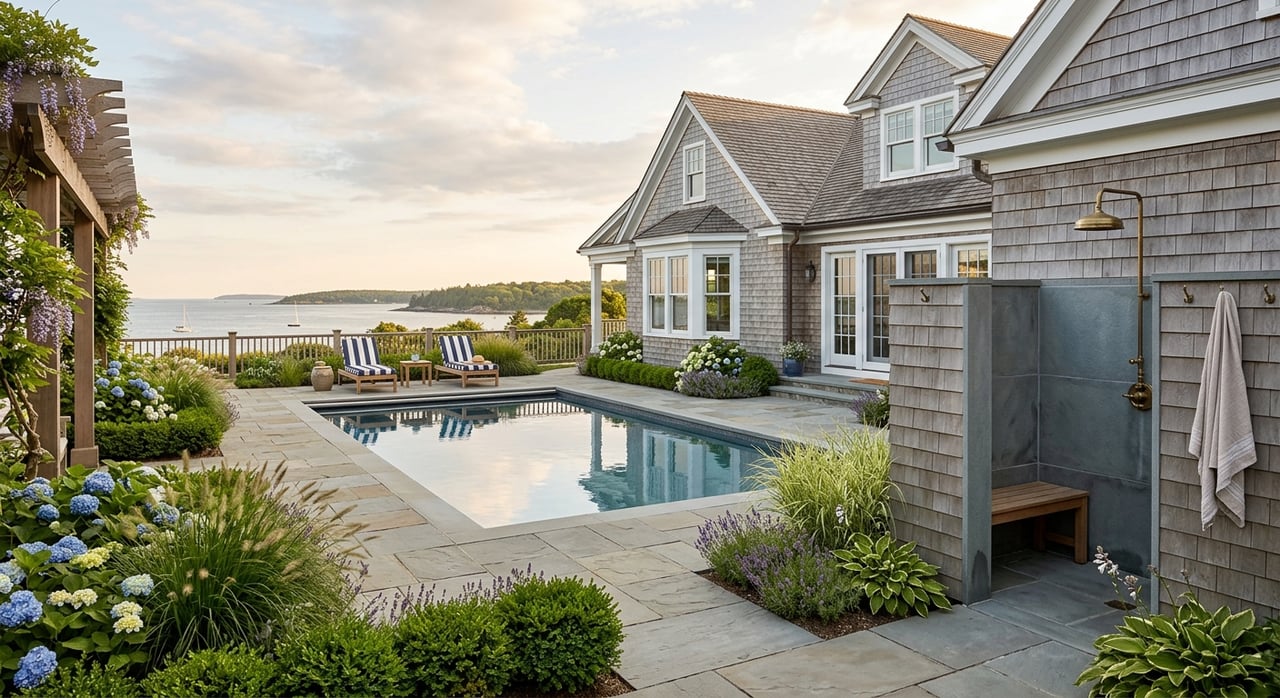
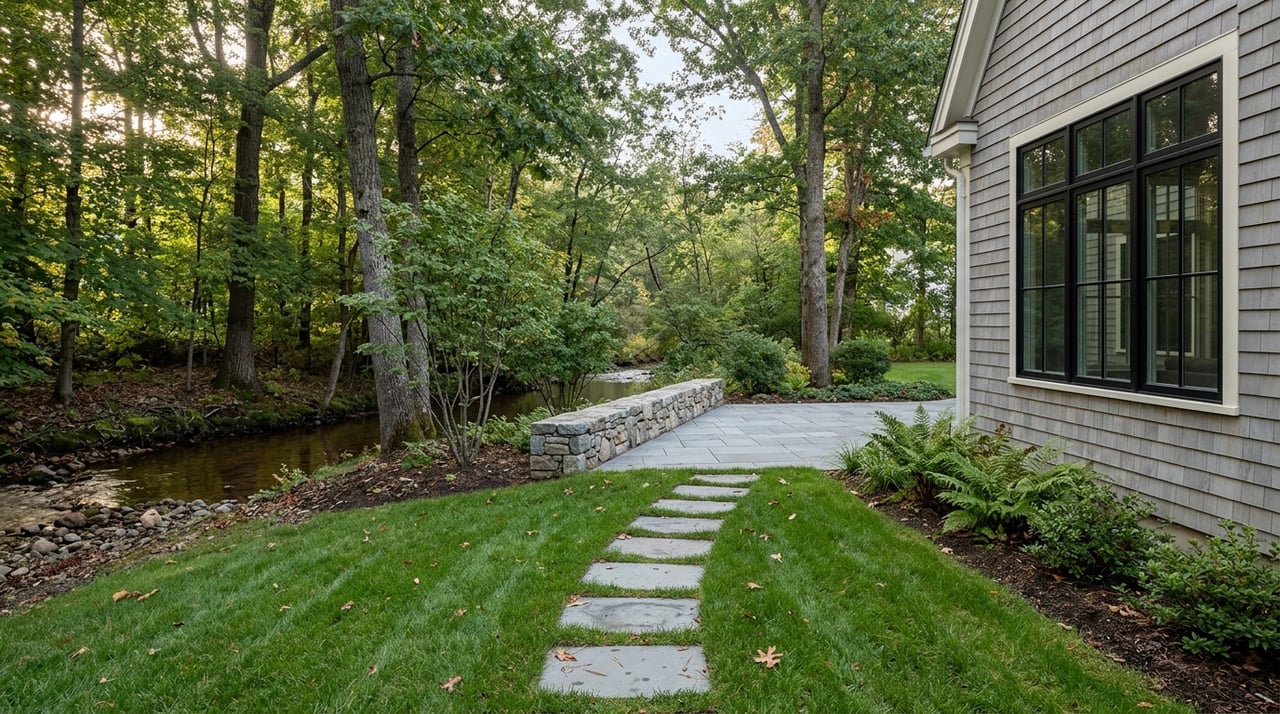
That context should shape how your home is positioned. If your property offers privacy, water access, generous outdoor entertaining areas, proximity to downtown, or architectural character, those details should be reflected in the visual plan and listing narrative. The strongest listings connect the home to the rhythms of daily life in Westport rather than relying only on room count and finishes.
Match the story to your submarket
Townwide statistics can be useful, but they can also flatten important differences. A waterfront property, a village-adjacent home, and a historic residence do not compete in the same way. Buyers in each segment may respond to a different mix of privacy, convenience, land, architecture, and condition.
That is why design strategy should be neighborhood-aware. In one part of Westport, the emphasis may be outdoor living and approach. In another, it may be walkability, period detail, or a turnkey interior. Your presentation plan should reflect what buyers in your specific slice of the market are actually comparing.
Plan early for permits and approvals
In Westport, visible improvements often require more lead time than sellers expect. The Building Department requires permits for changes such as walls, beams, windows or exits, major repairs and renovations, roof replacement, electrical expansion, additions, dormers, and new boilers or furnaces. If your home is in a local historic district or is a local historic property, exterior work visible from a public street, place, or way is regulated by the Historic District Commission.
That can affect both scope and timing. A Certificate of Appropriateness is required before a building permit can be issued for covered exterior work, and the Historic District Commission notes that applications can take up to 65 days after official receipt. Westport also imposes a 180-day demolition delay for structures that are 50 years old or older.
For that reason, a seller considering meaningful exterior changes should think in months, not weeks. A 12- to 18-month runway can be realistic once design decisions, contractor schedules, and local review are factored in. Starting early helps you make smarter improvements and avoid rushing into the market before the home is truly ready.
Use staging as a pricing tool
Staging works best when it supports the architecture and the likely buyer, not when it overwhelms the home. In Westport’s upper-end market, buyers often respond to rooms that feel quiet, proportional, and easy to understand. Good staging clarifies the use of space and strengthens the emotional pull of the property.
Think of staging as visual problem-solving. It can soften an awkward room, improve scale, define open-plan living, and help dated spaces feel more current. When buyers can quickly understand how a home lives, they are better able to connect with it and assess its value with confidence.
Invest in media that supports price
In a digital-first market, high-quality visuals are part of the listing’s market position. Photos remain the most useful online feature for buyers, but floor plans, virtual tours, and video also carry real weight. For a luxury listing, that means media should be planned with the same care as staging and prep.
A strong rollout usually includes:
- Professional photography with a clear image sequence
- Floor plans that explain layout and flow
- Virtual touring tools where appropriate
- A concise video walkthrough or property story
- Copy that connects the home to Westport lifestyle cues
This is especially important in a market where buyers may be comparing several polished homes at once. If your media feels incomplete, dated, or generic, buyers may discount the property before they ever schedule a visit.
Consider a phased launch
One of the biggest mistakes sellers make is going public too soon. If the home is not fully prepared, you can lose momentum while the property accumulates public days on market or price-drop history. A more thoughtful sequence can create stronger first-week impact.
Compass positions its launch process in three stages: Private Exclusives, then Coming Soon, then full public release once the property is ready. That approach allows visible improvements, staging, photography, and story development to happen before the home reaches its widest audience. For Westport luxury sellers, timing and polish often work best together.
Reduce friction with prep support
Preparation can feel overwhelming, especially if your home needs multiple vendors, scheduling, or design coordination. Compass Concierge is designed to help bridge that gap by fronting the cost of services such as staging, flooring, painting, decluttering, landscaping, moving and storage, kitchen and bath improvements, and many other pre-market items. Payment is due at closing or at other trigger events, with possible fees or interest depending on the state.
For many sellers, that kind of support makes it easier to choose the improvements that matter most without delaying the launch. It also creates room for a more strategic prep plan, especially when the goal is not just to list, but to position the property for a premium outcome.
Think like a curator, not just a seller
The most effective Westport luxury listings feel cohesive. The design choices, photography, narrative, and launch timing all point in the same direction. Buyers should be able to understand the home’s identity within moments, whether that identity is coastal retreat, architectural estate, historic residence, or polished in-town convenience.
That kind of clarity rarely happens by accident. It comes from making careful edits, planning around approvals, and presenting the home as a lifestyle asset with a specific audience in mind. In a market as nuanced as Westport, that level of intention can make a meaningful difference.
If you are preparing to sell in Westport, a design-led strategy can help you make smarter decisions before your home hits the market. For a confidential valuation and a tailored prep plan, connect with Susan Vanech.
FAQs
What makes Westport luxury listings different from other Fairfield County listings?
- Westport buyers often evaluate homes through a lifestyle lens that includes coastline access, outdoor living, commuter convenience, architectural character, and neighborhood-specific positioning, so presentation and storytelling carry unusual weight.
Which home improvements matter most before listing a luxury home in Westport?
- The most effective pre-listing work often includes decluttering, deep cleaning, paint, lighting, hardware, landscaping, storage organization, flooring updates, and selective kitchen or bath refreshes rather than a broad personalized remodel.
Do Westport exterior updates require permits or historic review?
- Many visible changes do require local review, and depending on the scope and property type, you may need building permits, Historic District Commission approval, or both before work can begin.
How early should you start preparing a Westport luxury home for sale?
- If your plan includes meaningful exterior work or changes that trigger permits or approvals, starting 12 to 18 months before launch can be a practical timeline.
Why are photos, floor plans, and video so important for Westport sellers?
- Buyers now search digitally first, and research shows that photos, detailed property information, floor plans, virtual tours, and videos are among the most useful tools in deciding whether to pursue a home.
How can Compass Concierge help with a Westport listing launch?
- Compass Concierge can front the cost of approved pre-market services like staging, painting, flooring, landscaping, moving, storage, and certain improvements, which can make it easier to complete prep work before going live.