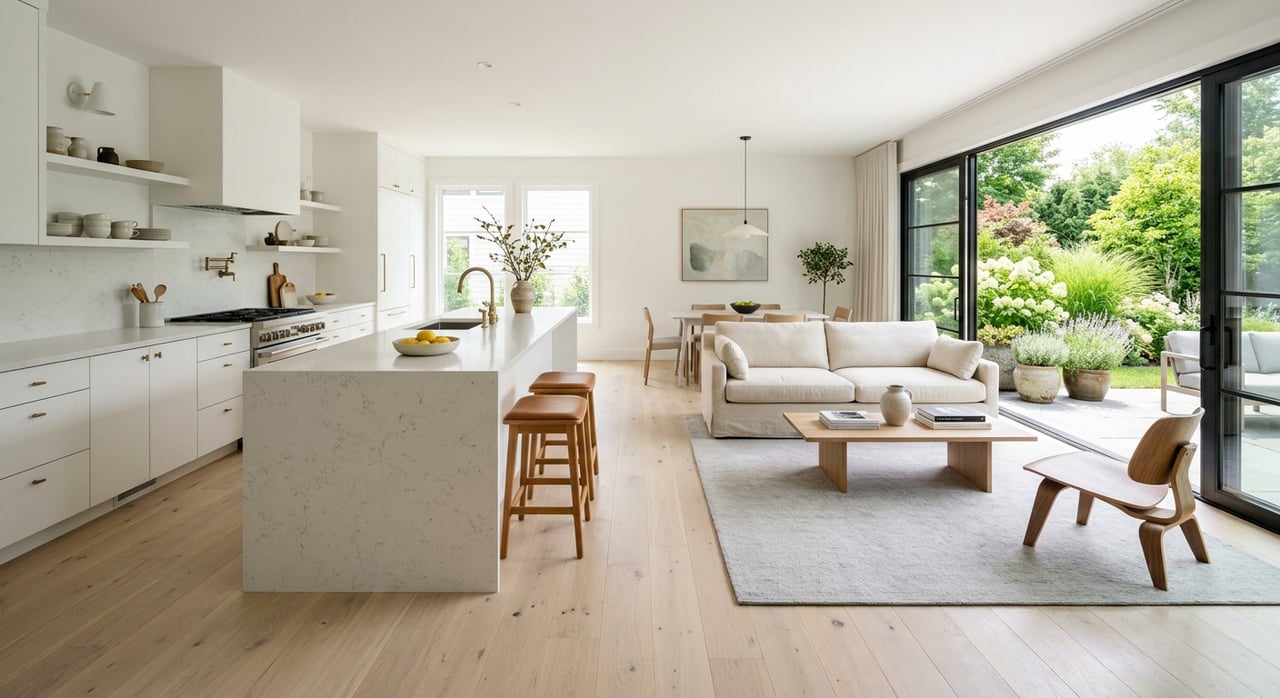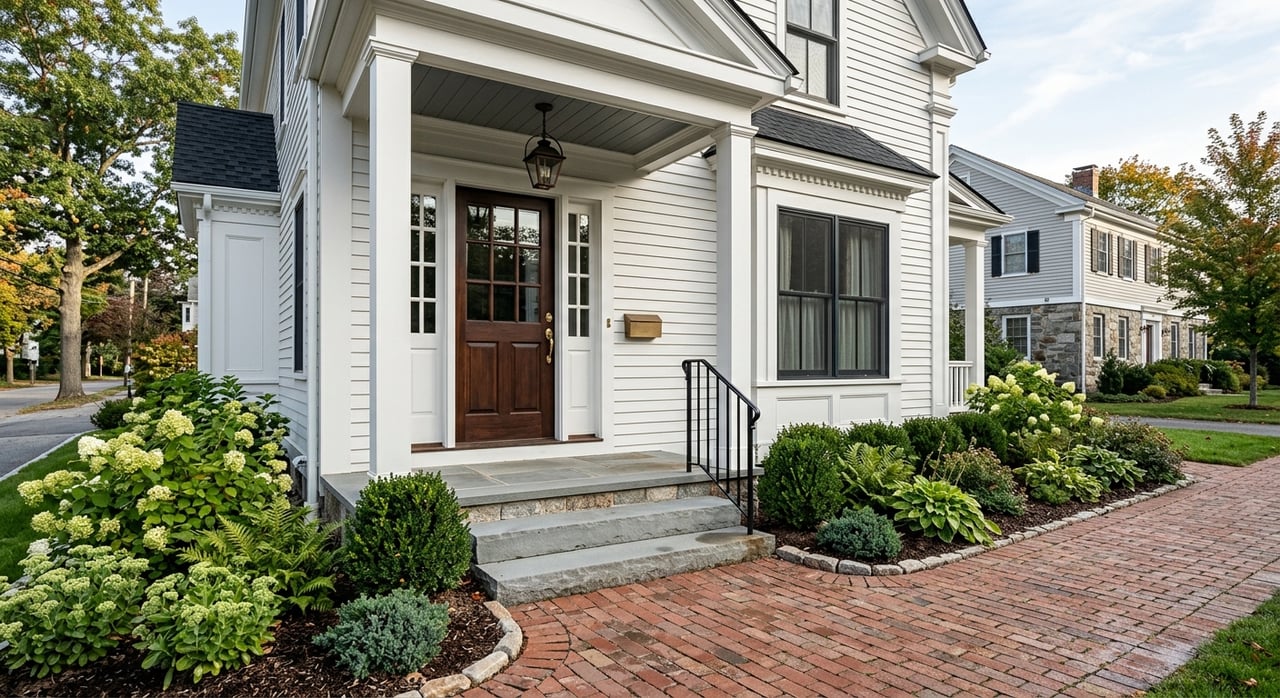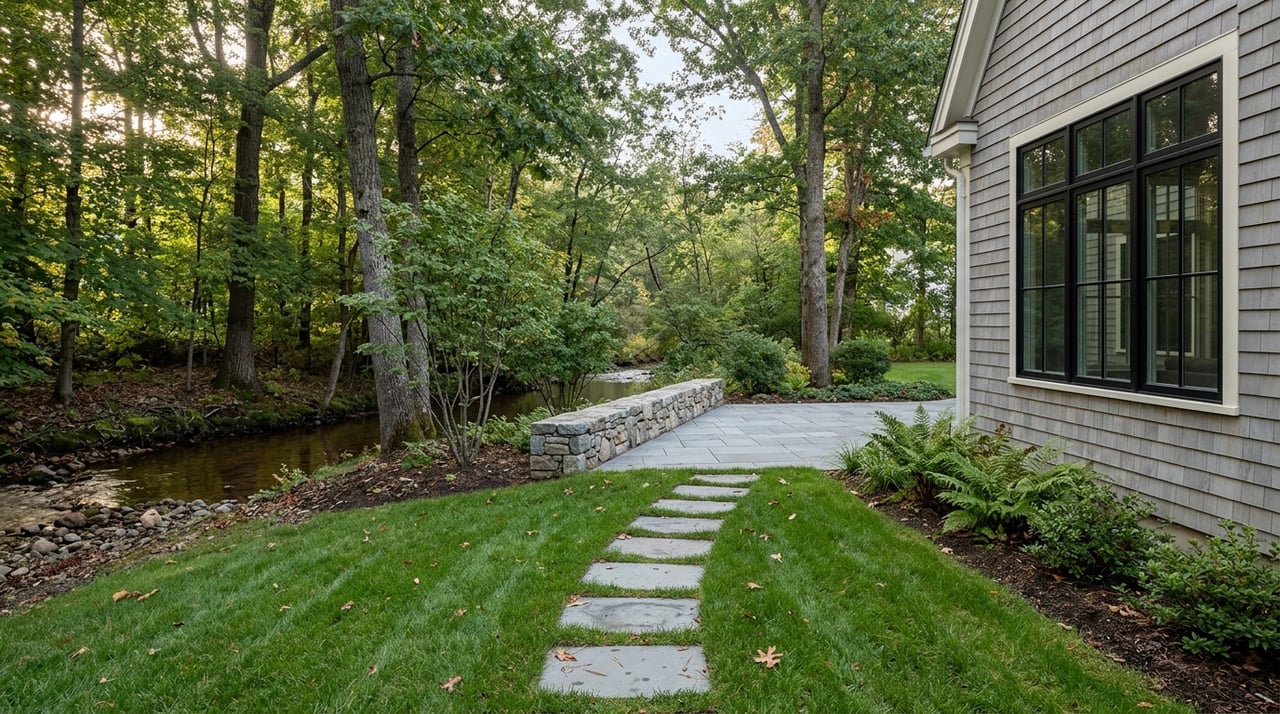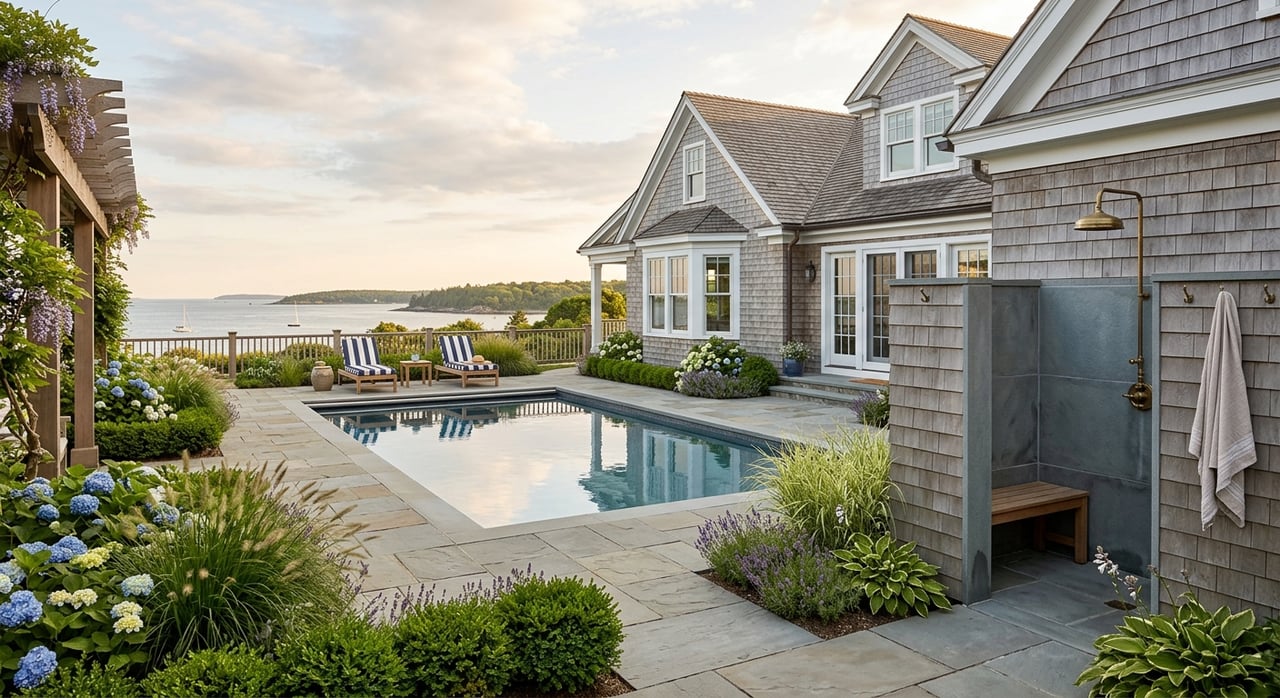
A second home should make life easier, not more complicated. If you are considering Fairfield or Southport, you are likely looking for more than a weekend address. You want a place that fits how you actually live, whether that means beach access, walkability, architectural character, or a home that is simple to manage when you are away. This guide will help you compare the two areas, think through maintenance and regulatory details, and narrow in on the kind of property that truly fits. Let’s dive in.
Fairfield or Southport for a Second Home?
Fairfield offers a coastal New England setting with about five miles of coastline, five beaches, two marinas, and one inland lake. That mix gives second-home buyers several ways to enjoy the shoreline lifestyle without limiting the experience to one type of property or one part of town.
Southport is Fairfield’s historic harbor village, with boutiques, dining, arts and culture, and a scenic harbor. Town materials also note that Southport Station is walkable to Southport Center and Southport Harbor, while Fairfield Station sits in the middle of downtown. For many second-home buyers, that combination of coastal character and practical access is a major reason this market works.
Fairfield is also a strongly owner-led market. The Census Bureau’s 2020-2024 ACS reports an 83.3% owner-occupied housing unit rate, a median owner-occupied home value of $780,500, and a median household income of $172,432. For buyers evaluating long-term carrying costs, Fairfield’s 2025 revaluation became effective on October 1, 2025, and new tax bills based on that revaluation were mailed in the last week of June 2026.
Choosing the Right Second-Home Setting
The right location depends on how often you plan to use the home and how you want your time there to feel. In Fairfield and Southport, usage patterns matter as much as price point or square footage.
Fairfield for convenience and beach access
If you expect frequent use or you may spend longer stretches in residence, downtown Fairfield, the train-station area, and the flatter Beach Area tend to be the most practical. The town notes that you can arrive by train and walk to downtown, and that Penfield Beach is about 1.25 miles from Fairfield Station on flat terrain.
The Beach Area is described by the town as a flat suburban neighborhood close to downtown, the train station, and the beaches. That makes it appealing if you want a second home that feels easy to use, easy to navigate, and connected to both shoreline and everyday conveniences.
Southport for village character and architecture
If you are drawn to a more architectural, village-centered experience, Southport often feels like the clearer fit. The Southport Historic District includes more than 150 buildings, many on generous lots with large gardens and lawns, and features early houses, Colonial Revival homes, and early Cape Cod dwellings.
This setting tends to appeal to buyers who want a home with strong visual identity and a sense of place. It is less about purely beach-first living and more about historic character, harbor atmosphere, and a refined village experience.
Station-adjacent areas for lock-and-leave living
For buyers who want the easiest part-time ownership experience, homes near the station, downtown, or Southport Center and harbor often make the most sense. Town materials emphasize walkable access between these destinations, which is an important lifestyle advantage if you prefer a more car-light routine when you are in town.
That kind of location can be especially useful when your second home is meant to support short stays, flexible weekends, or occasional longer visits without a heavy maintenance burden tied to a larger, more isolated property.
Understanding Property Types
Not every second home serves the same purpose, even within the same town. In Fairfield and Southport, the property type often tells you a lot about the ownership experience.
Southport historic homes
In the Southport Historic District, buyers will often see renovated Colonials, Colonial Revival houses, early Cape Cods, and larger historic homes on spacious lots. The district handbook emphasizes that much of the area’s value comes from its collection of architectural styles and the large gardens and grounds that remain part of the setting.
These homes can be deeply rewarding if you value design, craftsmanship, and a more layered sense of history. They also tend to work best for buyers who are comfortable with additional review when planning exterior changes.
Fairfield Beach Area homes
In Fairfield’s Beach Area, the housing story is different. The town notes that smaller ranch homes have increasingly been replaced by larger two- and three-story homes designed to withstand flooding from future hurricanes.
That matters if you are comparing an older beach cottage to a newer elevated home. Newer construction may offer a more contemporary coastal feel and can be easier to manage from a resilience standpoint, while older homes may bring more renovation questions into the decision.
What to Know About Renovations and Approvals
Second-home buyers often focus first on lifestyle, then discover that regulations shape ownership just as much as location does. In Fairfield and Southport, that is especially true if you are buying near the water or within a historic setting.
Historic district review in Southport
In Southport, exterior changes visible from a public way generally require review under Fairfield’s historic-district rules. The Historic District Commission handbook notes that visible exterior alterations, as well as fences, walls, and pools, can require review. Its definition of public way can also include rail lines, parking lots, parks, trails, and waterways.
For buyers, that means a simple design idea may involve more process than expected. If you love historic homes, it is wise to factor approval timelines and design sensitivity into your plans from the start.
Beach District rules in Fairfield
Fairfield’s Beach District is intended to preserve shorefront residential land use and prevent degradation or encroachment on the shorefront. The zoning text allows a single detached dwelling for one family per lot, along with related accessory uses such as docks and boat houses.
In practical terms, this helps explain why the area feels primarily single-family and low-density. It also means changes that seem modest may still need a careful review against local zoning and district standards.
Coastal review and permitting
Along the coast, flood and permit issues can matter as much as cosmetic updates. Connecticut DEEP states that coastal site plan review can apply to certain projects within the coastal boundary, and its coastal permitting guidance lists docks, dredging, seawalls, bulkheads, and shoreline stabilization among regulated activities.
If you are considering additions, hardscape work, or shoreline improvements, extra review may be part of the process. That is one reason second-home buyers benefit from evaluating not just the home itself, but also how much flexibility they may have to adapt it over time.
Planning for Maintenance When You Are Away
A second home adds another layer of responsibility, especially if the property sits empty for stretches of time. The day-to-day details matter more than many buyers expect.
EPA guidance recommends checking smoke and carbon-monoxide alarms, clearing snow and ice from vents, and winterizing irrigation by shutting off water and draining lines before freezing weather arrives. The Department of Energy also notes that homeowners typically lower thermostats when away.
These are practical issues, not minor ones. If you want a true lock-and-leave property, think carefully about how the home will be monitored and maintained during periods of absence, especially in winter and in coastal conditions.
Thinking Through Rental Plans
Some second-home buyers like the idea of offsetting carrying costs with occasional rental income. If that is part of your plan, it is important to check the local and state framework before making assumptions.
Connecticut taxes short-term home rentals at 15% under the room occupancy tax, and the tax applies to occupancy of 30 consecutive calendar days or less. After the 31st consecutive day, the tax no longer applies. The state also requires operators to register and file electronically.
Connecticut law now authorizes municipalities to adopt ordinances licensing and regulating short-term rental properties. In Fairfield, that means any rental strategy should be checked against town rules, condo or HOA documents if applicable, insurance requirements, and any district-level restrictions before you build income expectations into the purchase.
Which Buyer Each Area Tends to Suit
Fairfield and Southport can both work beautifully as second-home markets, but they tend to serve different priorities.
Southport may fit you best if
- You want a historic harbor village setting
- You value architectural character and larger landscaped lots
- You are comfortable with a more design-sensitive approval environment
- You see the home as both a retreat and a long-term lifestyle asset
Fairfield may fit you best if
- You want easier beach access and practical day-to-day convenience
- You prefer flatter terrain near downtown, the station, and the shoreline
- You are comparing newer coastal homes with resilience-minded construction
- You want a second home that feels simple to use on a frequent basis
Station and downtown areas may fit you best if
- You want a more flexible lock-and-leave setup
- You expect shorter stays and value walkable access
- You prefer convenience over direct waterfront character
- You want your time in town to feel easy from arrival to departure
Making a Smart Second-Home Decision
The best second home is not always the one with the most charm or the closest water view. It is the one that matches your real habits, your tolerance for maintenance, and your comfort with approvals, carrying costs, and seasonal planning.
In Fairfield and Southport, those details matter because each area offers a distinct version of coastal ownership. If you approach the search with both lifestyle and logistics in mind, you will be far more likely to choose a home that feels rewarding from the first visit through long-term ownership.
If you are weighing a second home in Fairfield or Southport and want a thoughtful, discreet perspective on location, property type, and ownership fit, connect with Susan Vanech.
FAQs
What makes Fairfield appealing for a second home?
- Fairfield offers about five miles of coastline, five beaches, two marinas, one inland lake, and practical access to downtown and the train, which can make part-time ownership easier to enjoy.
What makes Southport different from other parts of Fairfield?
- Southport is Fairfield’s historic harbor village, known for its village setting, scenic harbor, and collection of historic homes on generous lots with strong architectural character.
Are Fairfield Beach Area homes different from Southport homes?
- Yes. Fairfield’s Beach Area tends to offer a more beach-first, convenience-oriented setting, while Southport tends to offer a more historic, design-sensitive village experience.
Do historic homes in Southport require approval for exterior changes?
- Yes. Fairfield’s historic-district rules require review of exterior changes visible from a public way, and that can include certain alterations to fences, walls, and pools.
Are coastal renovations in Fairfield subject to extra review?
- Yes. Connecticut DEEP states that certain projects within the coastal boundary may require coastal site plan review, and shoreline-related work can be regulated.
Can you rent out a second home in Fairfield on a short-term basis?
- Potentially, but you should verify town rules, any condo or HOA restrictions, insurance requirements, and district-specific issues first. Connecticut also applies a 15% room occupancy tax to short-term stays of 30 consecutive days or less.