If your ideal day includes a morning walk under tree cover, a quick stop in town, and an easy way to enjoy water, trails, and open land close to home, Wilton stands out. For many buyers, access to nature is not a bonus feature. It is part of how daily life feels. In Wilton, that connection is shaped by a broad network of trails, preserves, parks, and riverfront spaces woven into the town itself. Let’s dive in.
Wilton CT Outdoor Lifestyle: Trails, Parks, and River Access
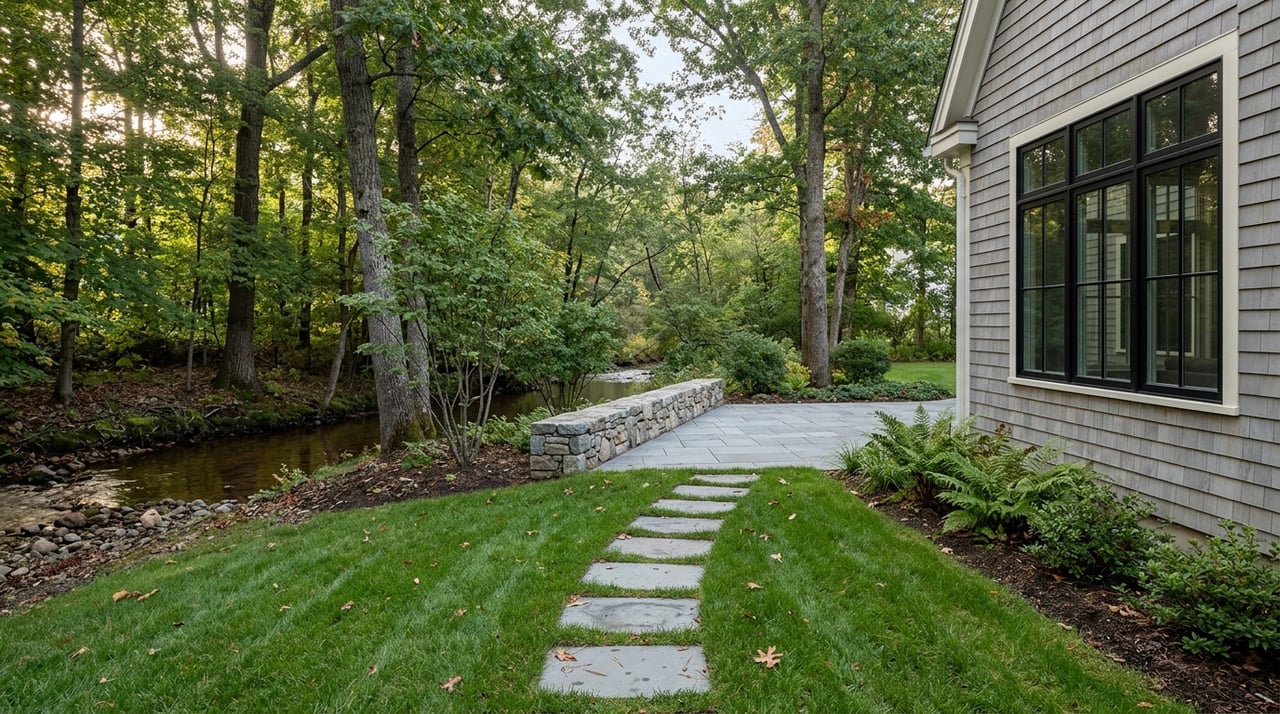
What makes Wilton distinctive is not one headline park or one scenic road. It is the way protected land appears across town through public open space, conservation holdings, walkable easements, and regional trail connections.
According to the town, Wilton’s trail network includes town, state, and federal open spaces, Wilton Land Conservation Trust properties, resident-granted easements, and the Norwalk River Valley Trail. The Wilton Land Trust says it owns or holds conservation easements on 119 parcels totaling nearly 835 acres in Wilton, including 97 parcels it owns outright.
That scale gives Wilton a layered outdoor character. You are not looking at a single destination. You are looking at a town where nature access shows up in many forms, from larger preserves to smaller meadows and connected paths.
Major green spaces in Wilton
Wilton’s trail inventory highlights several well-known protected places that help define the town’s landscape. These spaces vary in size and feel, which gives you options depending on how you like to spend time outdoors.
Some of the notable open spaces named by the town include:
- Town Forest, 190.8 acres
- Woodcock Nature Center, 146 acres
- Weir Preserve, 110 acres
- Bradley Park, 82.6 acres
- Schenck’s Island, 17.4 acres
This mix matters if you are thinking about lifestyle, not just location. Some buyers want a longer trail rhythm for regular walks or bike rides. Others want a central green space that supports quick visits, family time, or a simple reset between work and home.
Norwalk River Valley Trail anchors daily life
For many residents, the Norwalk River Valley Trail is the backbone of Wilton’s outdoor access. Friends of the NRVT describes it as the longest trail in Fairfield County, planned as a 30-mile route from Calf Pasture Beach in Norwalk to Rogers Park in Danbury.
In Wilton, the official section is described as a 6.2-mile loop with gravel or crushed stone, boardwalk, and paved or cement surfaces. Leashed pets are permitted, which adds to its appeal for households that want flexible, everyday use.
Why the Wilton NRVT feels practical
One reason the NRVT stands out is that it does not feel removed from town life. The east side includes an accessible boardwalk through wetlands, while the west side follows quieter roads through town.
That blend gives the trail a lived-in quality. It supports both recreation and routine, whether you want a purposeful workout, a relaxed afternoon walk, or a way to move through Wilton with more scenery and less stress.
The Wilton section also connects to the Wilton Metro-North train stop by a pedestrian bridge that leads onto the trail at Merwin Meadows. For buyers who value both outdoor access and regional convenience, that kind of connection can shape how a town feels on an ordinary weekday.
More than hiking alone
Wilton’s trail system supports more than one type of outdoor use. The town says its open spaces and Wilton Land Trust areas offer opportunities for walking, hiking, biking, and horseback riding.
That variety broadens the appeal. You do not need to be a serious hiker to enjoy the town’s natural assets, and you do not need a full day set aside to use them. In many cases, nature here fits into everyday life in smaller, easier ways.
The Norwalk River adds another layer
Trails and woodlands are only part of the picture. Wilton’s connection to the Norwalk River adds movement, views, and a stronger sense of place.
The Norwalk River watershed spans 40,000 acres across seven towns and supports drinking water, hiking trails, recreational fishing, and oyster beds downstream. In Wilton, the river helps tie together open-space destinations and gives certain parks a more scenic, water-oriented character.
Schenck’s Island in the center of town
Schenck’s Island offers one of the most accessible examples of that river connection. The town describes it as a town-owned open space in Wilton Center with a large lawn, scenic meadow, walking trails, and fishing in the Norwalk River.
This is the kind of place that can become part of your weekly routine. Its central setting and open layout make it feel less like a remote preserve and more like a shared outdoor room for the town.
That role shows up in community use as well. Official town pages highlight annual events there, including the Luminaria Walk and Bonfire, and Parks and Recreation has hosted a free summer concert series at Schenck’s Island.
Merwin Meadows brings summer recreation
If Schenck’s Island feels like a central green, Merwin Meadows offers a more classic seasonal park experience. The town says it includes a swimming pond, beach, pavilion and grills, bathhouse, playground, and athletic field.
The pond, beach, pavilion, grills, and bathhouse are open from Memorial Day weekend through Labor Day, while the rest of the park is open year-round. That seasonal structure is helpful to know if you are comparing how different Wilton outdoor spaces function throughout the year.
Merwin Meadows also matters because of its connection to the NRVT and the train station. It brings together recreation, mobility, and convenience in one recognizable part of town.
Weir Farm offers art and landscape
Wilton’s outdoor identity is not limited to trails and recreation fields. Weir Farm National Historical Park adds a different kind of experience, where landscape and creative history come together.
The park spans Wilton and Ridgefield and preserves a 68-acre landscape. Its grounds are open daily from sunrise to sunset year-round.
The National Park Service says the Weir Pond hike is a 1.2-mile loop through woods and wetlands, with leashed dogs allowed and catch-and-release fishing permitted. It also notes that Weir Farm is the only site in the National Park System dedicated to painting.
For buyers who care about a town’s cultural texture as much as its natural beauty, that is a meaningful detail. It gives Wilton an outdoor setting that feels both scenic and distinctive.
Woodcock Nature Center keeps nature active
Woodcock Nature Center rounds out the picture with trails and regular programming. Its trails are open daily from dawn to dusk.
The center also promotes free hikes, community programs, an events calendar, and summer camp programming. That steady activity reinforces an important point about Wilton: nature access here is not only passive. It is also social, educational, and part of community life.
Conservation is part of the culture
In some towns, open space is something you admire from a distance. In Wilton, stewardship appears to be more hands-on.
Wilton Land Trust says it hosts about thirty free programs a year for the community, including kid-friendly workdays and Stewardship Sundays. That kind of participation helps turn conservation into something residents experience directly, not just something noted on a map.
The town’s annual clean-up efforts and recurring outdoor events add to that picture. Together, they suggest a place where green space functions as both an amenity and a shared priority.
What this means for buyers
If you are considering Wilton, outdoor access can shape more than weekend plans. It can influence how connected you feel to the town, how easily you move through your day, and what kind of setting surrounds your home.
Some buyers are drawn to the convenience of being near town-centered spaces like Schenck’s Island or Merwin Meadows. Others are more focused on proximity to trail networks, protected land, or destinations like Woodcock Nature Center and Weir Farm.
In a market like Fairfield County, lifestyle fit often matters just as much as square footage. Wilton’s appeal comes from the way nature, recreation, and civic life intersect in a practical, everyday way.
If you are weighing where to buy or how to position a home for sale, that lifestyle story deserves careful attention. For a tailored perspective on Wilton and other Fairfield County communities, connect with Susan Vanech.
FAQs
What makes Wilton, CT appealing for nature lovers?
- Wilton offers a broad network of town, state, and federal open spaces, land trust holdings, easements, and trail connections, including major preserves and the Norwalk River Valley Trail.
How long is the Norwalk River Valley Trail in Wilton?
- The Wilton section is described by Friends of the NRVT as a 6.2-mile loop, while the full regional trail is planned as a 30-mile route from Norwalk to Danbury.
What outdoor activities are available in Wilton open spaces?
- According to the town, Wilton’s open spaces support walking, hiking, biking, and horseback riding, with some areas also allowing leashed pets and fishing.
What is Schenck’s Island in Wilton known for?
- Schenck’s Island is a town-owned open space in Wilton Center known for its large lawn, scenic meadow, walking trails, and fishing access on the Norwalk River, along with community events.
What can you do at Merwin Meadows in Wilton?
- Merwin Meadows offers a swimming pond, beach, pavilion and grills, bathhouse, playground, and athletic field, with some amenities open seasonally and the rest of the park open year-round.
Why is Weir Farm important to Wilton’s outdoor character?
- Weir Farm adds a distinctive mix of natural landscape and cultural significance, with year-round grounds access and the distinction of being the only site in the National Park System dedicated to painting.