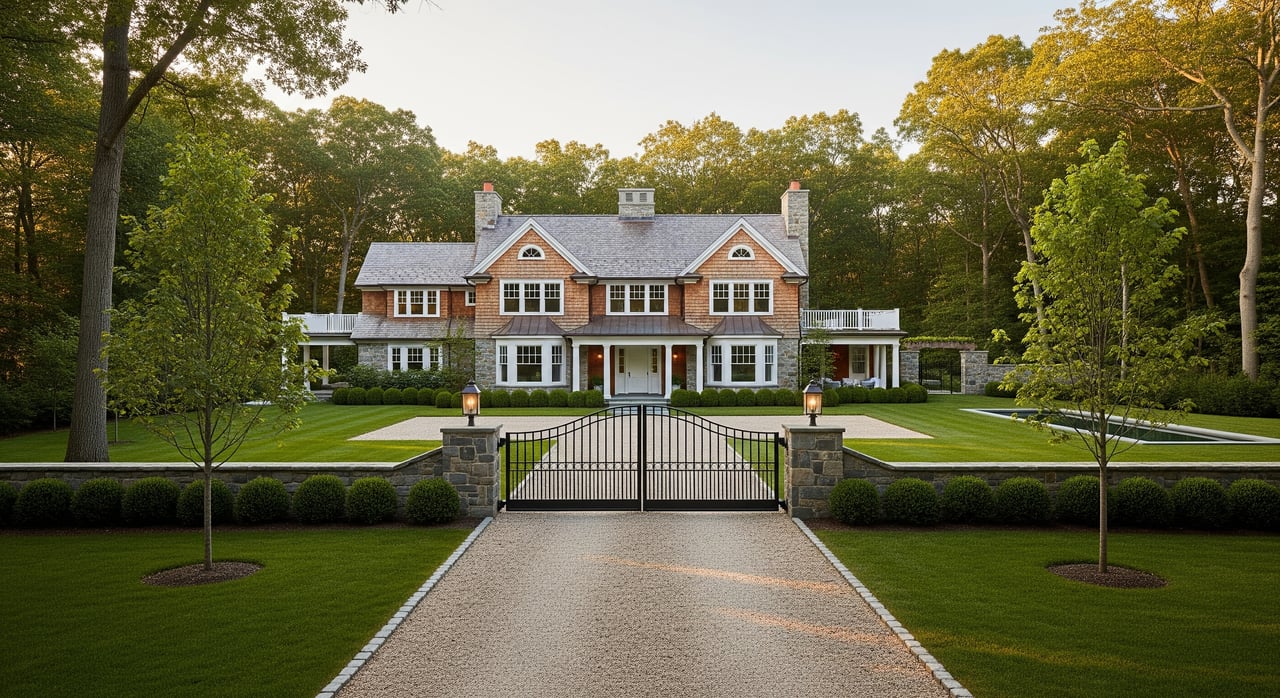
Thinking about a home in Weston and the space that comes with two-acre zoning? You are not alone. Many buyers want privacy and room to add a pool or tennis court, but they also want clarity on what is actually possible. In this guide, you will learn how Weston’s two-acre standard works in practice, what to check before you buy, and how to plan improvements with confidence. Let’s dive in.
How Weston CT Two-Acre Zoning Shapes Your Property Plans
Two-acre zoning sets a minimum lot size of two acres in the districts where it applies. The goal is to keep a low-density, rural character with more separation between homes. In practice, that translates to privacy, quieter streets, and fewer buildable lots overall.
The two-acre rule is only one piece. Each property is also governed by frontage, setbacks, height limits, and coverage rules found in the Town of Weston Zoning Regulations and official zoning map. Always confirm your lot’s zoning district, any overlays, and current language in the regulations before you make plans.
Site planning basics to verify
Before you think about a pool, court, or addition, check the dimensional and use standards that shape what can go where:
- Minimum lot area and street frontage for your district.
- Setbacks from front, side, and rear property lines.
- Maximum building coverage and impervious surface limits that affect patios, courts, and large hardscapes.
- Height limits and rules for accessory structures like garages, cabanas, and sheds.
- Whether your improvement is a permitted accessory use or needs a special permit, site plan review, or a variance.
- Driveway and curb cut permissions that can affect access.
These rules come from Weston’s Planning and Zoning framework. Details can change, so verify current requirements with the town.
Pools on two-acre lots
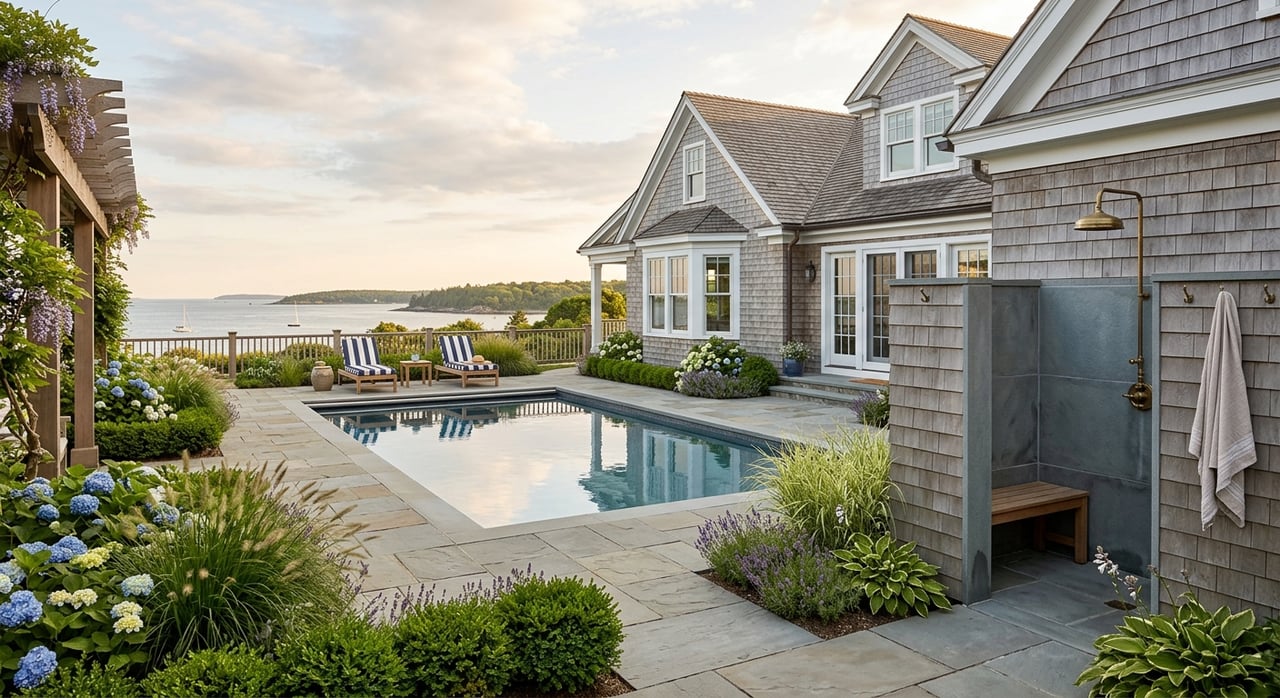
A two-acre lot offers room, but a pool’s location is still shaped by multiple standards and safety rules.
- Permitted status. Confirm whether in-ground or above-ground pools are permitted as accessory uses or require site plan approval.
- Setbacks and separation. Pools and equipment must respect setbacks from property lines, septic systems, wells, and any watercourses or wetlands.
- Coverage and drainage. Hardscape around a pool can push you toward coverage limits and may require drainage plans.
- Safety. Barriers, gates, and electrical clearances follow state building and public health codes, enforced locally by the Weston Building Department.
If you plan to rely on a well or an on-site septic system, expect added spacing rules between the pool area and system components. Your site plan should show these distances clearly for review.
Tennis courts and large hardscapes
Tennis courts and similar features are large, flat, and often impermeable. On a two-acre lot, they can be feasible, but approvals are more involved.
- Impervious surface. A court contributes significantly to lot coverage, which may limit size or trigger mitigation.
- Stormwater. Expect drainage and runoff management. Conservation or Inland Wetlands review may be needed if your design is near regulated areas.
- Visibility and lighting. Fencing and lights can lead to added screening requirements or special permits. Night lighting is often scrutinized.
- Wetlands proximity. Courts close to wetlands or watercourses generally need permits from the Conservation or Inland Wetlands Commission.
Wetlands, slopes, and natural features
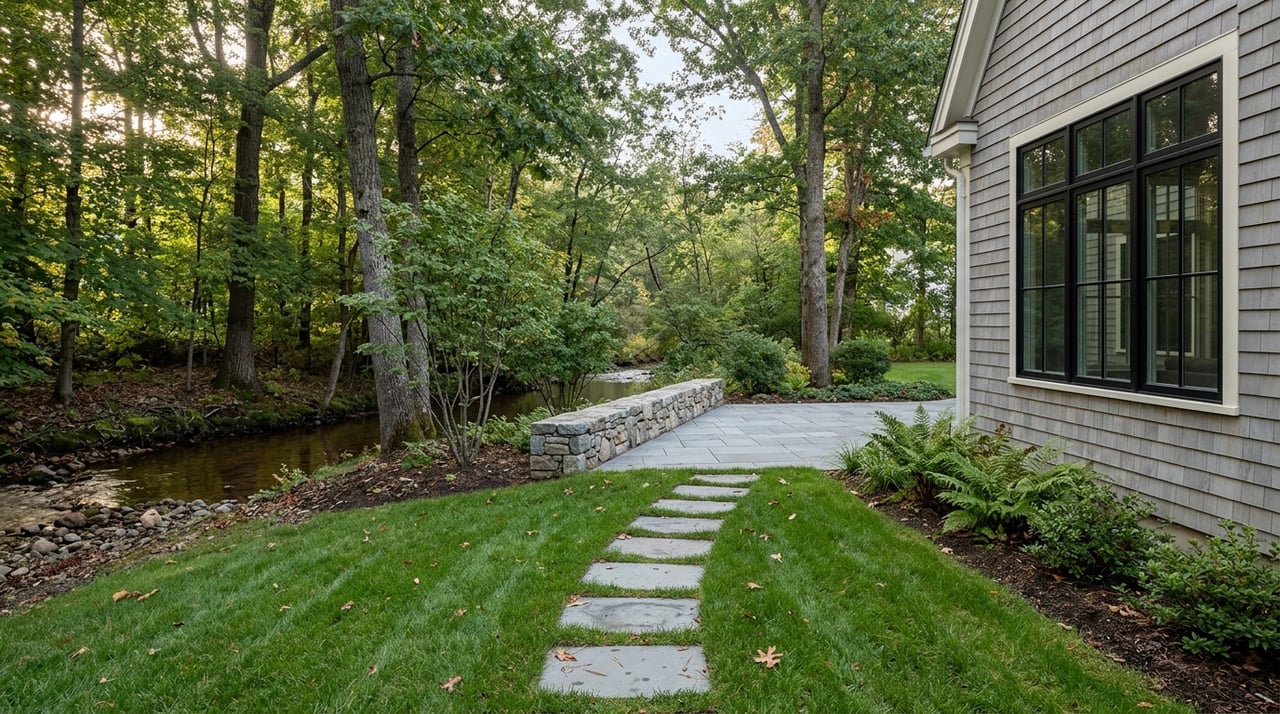
Natural resources can shape your usable building envelope even on a large lot. Inland wetlands, streams, vernal pools, and steep slopes may limit where you can build or require additional approvals. Activities in or near regulated buffers typically require permits from the Conservation or Inland Wetlands Commission and may involve public hearings. Tree removal and significant grading can also prompt conditions or replanting requirements.
Septic, wells, and utilities
Most Weston properties use on-site septic and, in some cases, private wells. That means:
- Septic capacity and location can control bedroom count, additions, and where pools or courts can go.
- Well siting and separation distances protect water quality and affect placement of equipment and drainage.
- If you need to expand a septic system, you may require new soil testing and Health Department approvals before building permits can be issued.
A large parcel can still have a small buildable area if wetlands, ledge, or slopes are present. A current, stamped survey with topography helps reveal the true envelope.
Permits and approvals at a glance
Every site is different, but most projects follow a predictable path. Plan ahead for sequencing and timing.
Typical review sequence
- Pre-purchase due diligence. Order a boundary survey, review zoning district and maps, and evaluate septic and well status. Flag wetlands early.
- Zoning and planning review. Confirm whether your pool, court, or addition is permitted by right or needs site plan or special permit review.
- Conservation or Inland Wetlands review. Required for work in regulated areas or buffers. Public hearings may be part of the process.
- Health Department approvals. Septic modifications, perc tests, and well siting are often prerequisites to a building permit.
- Building permit. Plans are reviewed for structural, electrical, plumbing, mechanical, and safety code compliance, including pool barriers.
- Driveway or curb cut approvals. If your access changes, the Town Highway or Selectmen’s office may need to approve it.
- Inspections. Expect inspections during and after construction.
Variances vs. special permits
- Variance. Needed when you cannot meet a dimensional standard like a setback or coverage limit. Variances are reviewed by the Zoning Board of Appeals and require a specific finding of hardship.
- Special permit or site plan. Often required for larger or more visible accessory uses that may impact neighbors through lighting, noise, or drainage. These applications can add weeks or months to the timeline.
Timelines and costs
- Timing. By-right projects may take a few weeks to a couple months from application to final inspection. Projects needing wetlands, site plan review, or variances often span several months.
- Costs. Plan for application fees, design and engineering, surveys, potential mitigation for drainage or wetlands, and Health Department fees. Engage a contractor or engineer early for realistic budgeting.
Buyer due diligence before you close
If a pool, court, or addition is part of your vision, build in time and contingencies. The right prep protects your investment.
Documents and maps to gather
- Current, stamped boundary and topographic survey showing setbacks and contours.
- Your property’s zoning district and the relevant pages of the Weston Zoning Regulations.
- Town zoning map and any available GIS layers for wetlands and topography.
- Deed, easements, covenants, and any restrictions of record.
- Septic as-built, well location, and maintenance records if available.
- FEMA flood maps if the property is near a watercourse.
Inspections and evaluations
- Perc test or soils evaluation if you plan to expand bedrooms or relocate septic.
- Septic inspection for condition and capacity; map distance to planned improvements.
- Well test and water quality check.
- Wetlands delineation by a qualified scientist to flag regulated areas and buffers.
- Tree and landscape assessment if removal or major grading is expected.
- Survey verification to avoid boundary disputes.
Smart contract contingencies
- Zoning and permitting contingency that allows time to confirm feasibility for desired improvements.
- Time for quotes from surveyors, engineers, and contractors.
- A conditional option to cancel if permits or variances appear unlikely for improvements that are essential to your purchase decision.
Neighborhood and context cues
- Look at neighboring properties for pools or courts. This can suggest practical precedent and reveal screening norms.
- Review recent Planning and Zoning or Conservation minutes to gauge sensitivity around lighting, noise, and impervious surfaces.
- Speak with local contractors about timelines, lead times, and costs.
Value, resale, and ownership
Two-acre zoning can support long-term value, but results vary by site and execution.
- Scarcity and privacy. Lower density can create a premium for buyers who value space and privacy. The premium depends on location, home condition, and the usable area of the lot.
- Appraisals. Appraisers weigh total acreage and usable buildable area. Lots with extensive wetlands or steep slopes may appraise differently than their raw size suggests.
- Carrying costs. Larger parcels typically mean higher landscaping, driveway, and septic maintenance. Pools and courts add ongoing upkeep and can affect insurance.
- Stability. Minimum lot sizes reduce subdivision pressure, which can help preserve neighborhood character. Zoning can change over time, so confirm any future plans with the town.
Is Weston’s two-acre zoning right for you?
If you want privacy, room for thoughtful outdoor amenities, and a calmer setting, Weston’s two-acre standard is a strong fit. The key is planning. With clear surveys, early wetlands and septic checks, and a clean permit path, you can create the outdoor lifestyle you want while protecting long-term value.
Ready to explore properties that align with your goals or to pressure-test a plan for a specific lot? Connect with our team for tailored guidance and introductions to engineers, surveyors, and municipal contacts who know Weston’s process well. Reach out to Susan Vanech for a discreet, strategy-first consultation.
FAQs
What does two-acre zoning mean in Weston?
- It sets a minimum lot size of two acres in applicable districts and works alongside setbacks, frontage, height, and coverage limits found in Weston’s zoning regulations.
Can I add a pool on a two-acre lot in Weston?
- Often yes, but location depends on setbacks, coverage limits, and separation from septic, wells, and wetlands; permits and safety barriers are required.
Do tennis courts in Weston need special approvals?
- They may. Courts can trigger site plan or special permits due to coverage, drainage, lighting, and visibility, and may need Conservation review near wetlands.
How long do permits for pools or courts usually take?
- By-right projects can take weeks to a couple months; projects requiring wetlands, site plan review, or variances can take several months.
Who reviews septic and well requirements in Weston?
- The local Health Department reviews septic and well siting, capacity, and separation distances, often before the Building Department issues permits.
What due diligence should I do before closing on a Weston property?
- Order a stamped survey, confirm zoning and setbacks, inspect septic and well, flag wetlands, and add a zoning and permitting contingency to your contract.