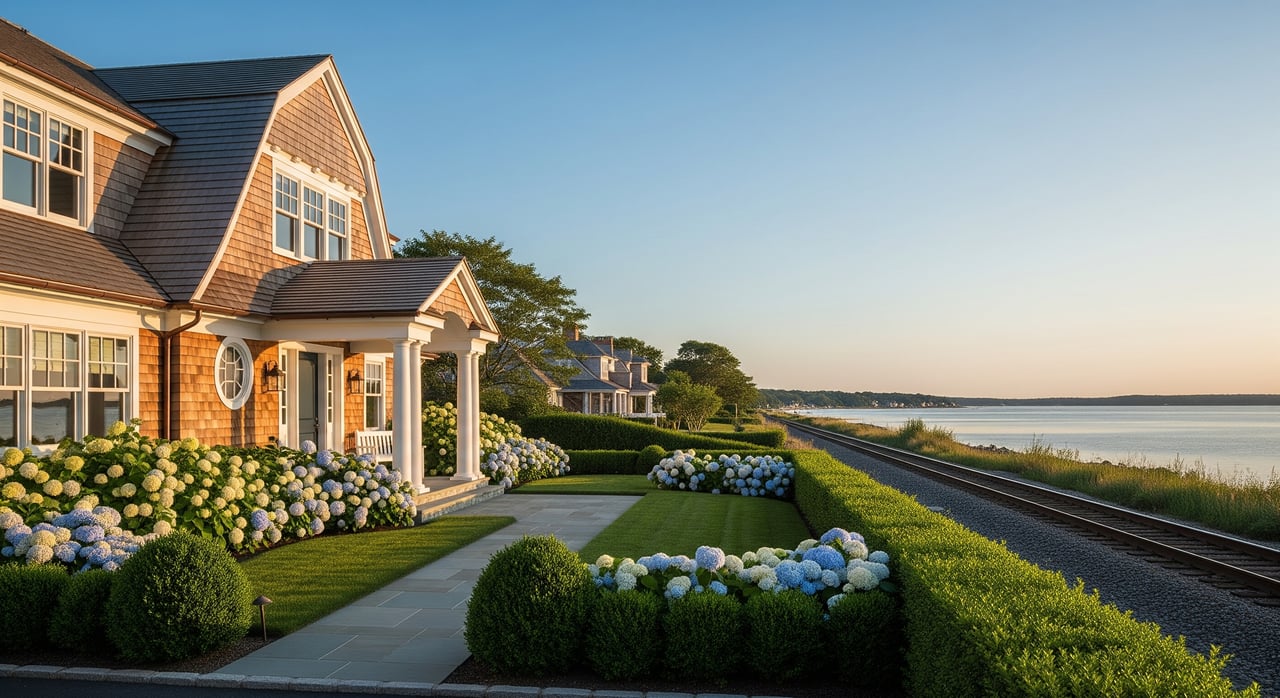
Choosing between Darien, Westport, and Norwalk often comes down to one daily question: how will your commute to Manhattan actually feel, day after day? If you are weighing trade‑offs between train access, parking, and lifestyle on the coast, you are not alone. The good news is that each town gives you a clear path to Grand Central and a distinct day‑to‑day rhythm at home. This guide walks you through the commute realities and lifestyle differences so you can choose with confidence. Let’s dive in.
Comparing the Darien vs Westport Commute and Norwalk
Metro‑North’s New Haven Line is the backbone of commuting in all three towns. You will see a mix of local and limited‑stop express trains, with more frequency during weekday peaks and fewer options at night and on weekends. The morning peak window typically runs about 6:30–9:30 a.m. inbound to Manhattan, with afternoons roughly 4:00–7:00 p.m. outbound. Crowding is common on peak trains, and seat availability can vary by station and time.
Typical ride times to Grand Central fall in the range of roughly 45–75 minutes depending on the station and whether you catch a local or an express. Your true commute is door‑to‑door, so factor in how you reach the station, wait time, and your transfer or walk in Manhattan. If your schedule is predictable, you might target specific express trains. If you value flexibility, you may prefer a station with easier parking or more frequent locals.
Station access matters more than you think
Walkable neighborhoods
Homes within a comfortable 10–20 minute walk to a station offer the simplest routine. Sidewalk continuity, safe crossings, and lighting matter in early mornings and winter. Village‑center blocks near stations also place you close to coffee, errands, and dinner options, which can smooth your week.
Parking realities
Most stations rely on a mix of municipal permit lots, daily meter lots, and private garage options. Permit demand can exceed supply, and many lots use waitlists or lotteries. Lots can fill early on peak mornings, so your plan may include arriving earlier, using satellite lots, or adjusting your train time. If you plan to drive, verify permit rules, resident preferences, and enforcement hours before you commit to a neighborhood.
First and last mile tools
You can reach the train by walking, biking, local bus or shuttle, rideshare, taxi, or a quick drop‑off. Some towns and private operators run shuttles timed to peak trains. Bike racks, kiss‑and‑ride areas, and short‑term parking zones can trim your door‑to‑door time.
Station comfort and amenities
Covered platforms, heated waiting areas, restrooms, ticket machines, ADA access, and clear arrival displays all impact your daily experience. If you will travel at off‑peak hours, check which stations keep amenities open late and how lighting and staffing feel after dark.
Town comparison for commuters
Darien commute profile
Darien’s rail stops serve daily riders with a mix of locals and limited‑stop trains. Morning and evening peaks are busy, and schedules favor predictable arrival windows into Manhattan. Neighborhoods near the stations tend to be quiet and residential, which makes a walk approach appealing if you want a low‑stress morning. If you plan to drive, expect traditional municipal permit systems and check waitlist timelines early.
Westport commute profile
Westport’s stations are important hubs for commuters with a balance of express and local service during peaks. Many buyers target walkable pockets around the stations to avoid parking uncertainty. If you plan to park, expect demand to be high near the most convenient lots, especially for early express trains. Private garage or leased options near downtown can serve as a fallback if municipal permits are tight.
Norwalk commute profile
Norwalk offers multiple stations that serve different neighborhoods and housing types. Frequency and train patterns vary by stop, and some areas pair station access with more urban amenities. You will find a mix of parking approaches, from municipal permits to daily meter lots. If you value nightlife or a quick hop to restaurants after work, living near a station‑adjacent mixed‑use area can make the commute‑to‑evening transition seamless.
Lifestyle trade‑offs beyond the train
Coastal access and recreation
All three towns sit on Long Island Sound and offer beaches, parks, marinas, and boating. Westport is known for expansive public beach and parkland that support active outdoor lifestyles. Darien’s coastline feels quieter, with residential shorefronts and neighborhood harbors. Norwalk’s waterfront is diverse, with marinas, islands, and some mixed urban or industrial stretches. If daily shoreline walks or quick marina access matter, focus on neighborhoods with direct shore proximity.
Downtown character and dining
Westport brings an arts‑driven downtown with galleries, independent shops, and a lively dining scene. Darien offers a more understated, family‑focused center with boutique shopping and a small‑town feel. Norwalk varies by neighborhood, with some areas featuring dense nightlife and entertainment and others feeling more suburban. Align your choice with how you want to spend weeknights and weekends.
Housing mix and price considerations
All three are high‑cost Fairfield County markets. Westport and Darien often skew toward higher median prices and single‑family homes on larger lots. Norwalk offers a broader mix of single‑family, multifamily, condos, and newer infill or adaptive‑reuse options, which can open more choices near transit. If low maintenance and train proximity are priorities, consider condo or townhouse options within a short walk of a station.
Schools and family amenities
Darien and Westport commonly attract families seeking strong public schools. Norwalk offers a range of school options, and performance varies by neighborhood. If schooling is a top factor, review official district maps and report cards to understand assignments and data for the neighborhoods you are considering. Also consider access to parks, youth sports, libraries, and community programs near your target area.
Taxes and cost of ownership
Property taxes and fees differ by town and neighborhood. High property values and school budgets often drive tax levels in Westport and Darien. Norwalk’s tax profile can differ and should be reviewed at the parcel level. If you are evaluating coastal properties, include insurance considerations for wind and flood in your total cost picture.
Door‑to‑door time worksheet
Use this quick framework to compare homes:
- Home to station: walk or drive time, plus time to park or lock a bike.
- Platform buffer: typical wait time for your target train.
- Train ride: local or express time to Grand Central within your preferred peak window.
- Midtown transfer: walk or subway time from Grand Central to your office.
- Total: sum the above, then add a 5–10 minute buffer for variability.
Run this both ways for 2–3 candidate trains. Repeat for the evening to test your return routine.
Buyer checklist for NYC commuters
- Pick your likely station. Identify the exact stop you will use most often.
- Map your schedule. Focus on morning and evening trains that match your real work hours.
- Verify parking. Check permit availability, waitlists, rules, and costs. Identify a backup daily or private option.
- Prioritize walkability. If you want to skip parking, target homes within a 10–20 minute walk with safe sidewalks.
- Test the route. Do a dry run on a weekday during your actual peak window.
- Balance lifestyle goals. Weigh commute convenience against coastal access, dining, and community feel.
- Plan for flexibility. Hybrid workers may accept longer trips a few days a week if the home and location deliver on lifestyle.
Which town fits your commute style?
- You want the simplest routine: Target walk‑to‑station pockets in any of the three towns. Your value comes from predictable mornings and quick returns at night.
- You want coastal living first: Focus on shoreline neighborhoods and confirm whether the nearest station offers trains that fit your schedule. Your trade‑off may be a longer walk or a short drive.
- You want nightlife and convenience: Station‑adjacent mixed‑use areas in Norwalk or vibrant downtown districts in Westport can give you easy evenings after a long day.
- You want maximum flexibility: A home with reliable parking access near your station might beat a slightly faster ride time.
How to compare trains and parking like a pro
- Express vs local: Identify whether your target station gets limited‑stop trains during your peak. That difference often saves meaningful time.
- Frequency counts: Look for consistent trains every 15–30 minutes within your ideal window so you have options if you miss one.
- Crowd patterns: Early peak trains can be standing‑room only. If a seat is a must, aim for an earlier departure or a station where you can board near the start of a run.
- Parking strategy: If permits are waitlisted, ask about satellite lots, daily meters, or private garages near downtown. A reliable backup prevents morning stress.
Make your short list
- Identify two neighborhoods per town that match your lifestyle and station plan.
- Shortlist 3–5 homes with different first/last mile setups: walkable, quick bike, or easy park.
- Tour at commute time. If possible, time your visits to coincide with your actual morning or evening window.
- Keep notes. Track total door‑to‑door times, comfort on the platform, and how quickly you transition to evening life.
Bringing it all together
Darien, Westport, and Norwalk all connect you to Manhattan on the New Haven Line, but they deliver different daily rhythms. Your best fit comes from pairing the right station access with the lifestyle you want at home. Start with your exact station, confirm schedules in your real peak windows, verify parking and permit status, and value the premium that walkable, amenity‑rich neighborhoods can command. When you match commute reliability with the right coastal feel, your week becomes much easier.
If you would like a curated, station‑by‑station plan and a shortlist of neighborhoods that fit your commute and lifestyle, connect with Susan Vanech for concierge guidance.
FAQs
How long is the Metro‑North commute from these towns to Grand Central?
- Typical published ride times range from roughly 45–75 minutes depending on the station and whether you take a local or express, plus your first/last mile and transfer time.
How hard is it to get a commuter parking permit near the train?
- Availability varies by station and town, and many lots use waitlists or lotteries; confirm current status, costs, and rules with the local parking office before you rely on a permit.
Is it better to live within walking distance of the station or drive and park?
- Walking delivers the most predictable routine and avoids permit uncertainty, while driving can expand your housing options; compare door‑to‑door time and overall cost for both.
Which town balances coastal living with a manageable NYC commute?
- All three offer coastal access plus rail; Westport and Darien lean residential along the shore, while Norwalk provides varied waterfront options and urban amenities near some stations.
How do schools and taxes compare across Darien, Westport, and Norwalk?
- These factors differ by town and neighborhood; review official district data, municipal budgets, and parcel‑level tax information to align with your priorities.