Imagine waking up to the soft rise of the tide, launching a paddleboard before coffee, then ending your day with dinner by the river as boats drift past. If you are drawn to water, Westport’s coastline along Long Island Sound offers a lifestyle that feels both relaxed and energizing. At the same time, living on the water comes with unique costs, permits, and seasonal rhythms. This guide helps you picture everyday life, understand the differences between river, beach, and cove living, and spot the practical details that matter. Let’s dive in.
Inside Westport Waterfront Living on Long Island Sound
Westport stretches along Long Island Sound with open beaches, a tidal river, sheltered coves, and marshland. Downtown and the Saugatuck neighborhood hug the Saugatuck River and harbor. Other coastal pockets face Compo Beach, Sherwood Island State Park, and smaller inlets. Each area delivers a different experience and level of exposure to wind, waves, and storms.
Open Sound edges: beach and bluff
Homes along open Sound areas enjoy sweeping views and easy access to public beaches. You get big-sky horizons, morning walks, and summer energy. The trade-off is greater exposure to waves, wind, and coastal storms, along with busy weekends at popular beaches like Compo Beach and Sherwood Island State Park.
Saugatuck River and harbor
Riverfront living is more sheltered. You see tidal changes, marina activity, and small-boat traffic. These areas tend to be better for protected docks and moorings. Tidal depth and navigation matter if you plan to berth a boat at home or nearby.
Marshes and coves
Coves and marsh-adjacent properties feel private and close to wildlife. They can offer wonderful views and a quiet setting. The trade-offs may include seasonal flooding, mosquitoes, and limited navigation for larger boats.
Property types and what they mean
Understanding how access works will help you focus your search.
- Direct waterfront: Your property touches the Sound or river with private beach access or a private dock. Expect the highest price premium and the greatest exposure to weather and erosion. Maintenance and insurance needs tend to be higher.
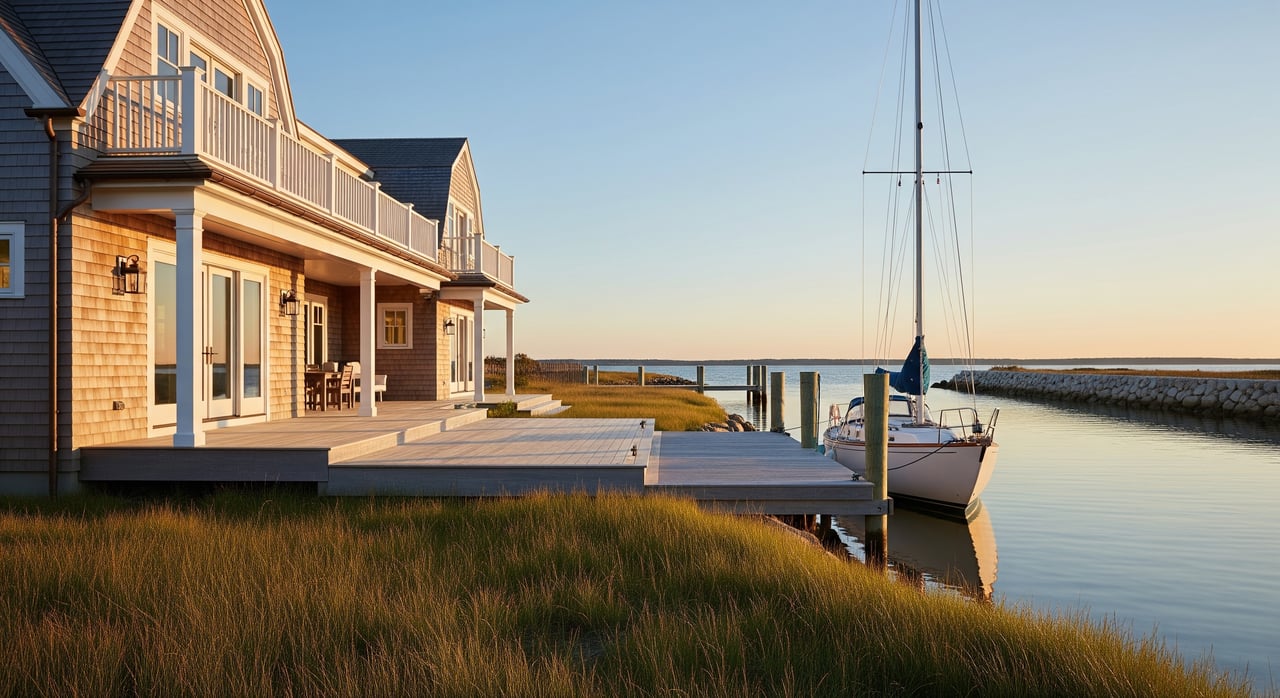
- Dock or harbor-front: Riverfront homes with private or community docks in more protected water. Good for boating access with less wave energy than open Sound frontage.
- Water-view: A home with a view of the Sound, harbor, or river but no private water access. You capture the views with lower maintenance and insurance compared with direct waterfront.
- Water-adjacent with beach access: Homes within a walk of town beaches or parks, sometimes with beach associations. You enjoy the lifestyle benefits without the same level of shoreline infrastructure to maintain.
Which waterfront fits your lifestyle
The boater
If you plan to be on the water regularly, look at riverfront properties with protected dockage or homes near marina networks. Ask about tidal depths, navigation, and slip or mooring availability. Community docks and association slips can be a smart compromise if you do not need a private dock at your back door.
The beach weekender
If your goal is quick access to sand, swimming, and sunset walks, open Sound edges and beach-adjacent neighborhoods deliver the classic coastal feel. You will enjoy peak-season energy and convenience. Be prepared for summer crowds, parking rules, and higher traffic near public beaches.
The view seeker or right-sizer
If you want the daily calm of water views with less upkeep, water-view homes or water-adjacent options may be ideal. You still get sunrise and sunset moments, and you avoid dock maintenance and many shoreline permitting concerns. Insurance and carrying costs are often more manageable than direct waterfront.
The privacy lover
If you value nature and quiet, cove or marsh-edge settings can feel like a private retreat. Evaluate elevation, seasonal flooding patterns, and insect control. For boating, plan on kayaks or smaller craft, or keep a slip elsewhere.
Day-to-day rhythms you can expect
Boating and access
You will see a mix of small powerboats, sailboats, kayaks, and paddleboards. Some homes include slips. Others rely on community marinas and seasonal waitlists. Associations and marinas set rules for guest slips, boat types, and maintenance, so ask early about availability and costs.
Beaches, parks, and recreation
Town beaches and Sherwood Island State Park are hubs for swimming, walking, and summer events. Protected estuaries and the river are great for lower-risk paddling. Open Sound conditions require more experience and attention to weather, tides, and current.
Commuting and circulation
Metro-North’s New Haven Line serves Westport, and many residents commute to Manhattan. Express trains are significantly faster than locals and, for many riders, the trip is roughly on the order of about an hour. Always check current schedules. By car, I‑95 and the Merritt Parkway connect you to the region, with congestion varying widely. Summer weekends near beaches can slow local roads and strain parking.
Seasons and pace
Late spring through early fall is high season. Expect busy beaches, full restaurants, and a lively waterfront. Late fall through winter is quieter. Marina activity slows, some seasonal businesses close, and coastal storms can be more intense. Plan for both the vibrancy and the calm.
What to know about costs and risk
Price premiums and resale
Waterfront and direct water-view homes carry a notable premium over inland properties. Expect a meaningful price jump for private beach or dock access and for unobstructed Sound views. Prime properties tend to retain demand, although broader luxury market cycles, property condition, dock access, and coastal hazards all influence resale.
Flood, wind, and insurance
If a property sits in a FEMA Special Flood Hazard Area, lenders generally require flood insurance. Ask for a flood zone review and an elevation certificate. Coastal homes may have higher wind or named-storm deductibles, and insurer rules can shift over time. Consider current exposure and how sea-level rise could affect low-lying parcels over decades.
Permits and shoreline structures
Seawalls, bulkheads, docks, pilings, and dredging usually require approvals from local boards and the Connecticut Department of Energy and Environmental Protection. Work below mean high water may trigger federal review. Inspect shoreline structures for condition and confirm that permits are in place and current.
Utilities and services
Confirm whether the home uses public sewer or a septic system. Septic in tidal areas can face siting and repair constraints. Check emergency access during storms, snow removal plans for private roads, and the availability of boat hauling or towing services. Beach or dock associations may levy assessments for shared infrastructure.
Maintenance and lifestyle costs
Salt air accelerates wear. Expect more frequent attention to exterior finishes, decks, roofing, windows, exposed HVAC, and metal connectors. Association, dock, or beach fees may apply. Property taxes are driven by value and local mill rates, so ask for recent tax assessments to understand carrying costs.
How to evaluate a specific property
Questions to ask the listing agent and seller
- Is the home true waterfront or a water-view property? Describe the exact access: private dock, bulkhead, beach association, or community slip.
- Are there permits on file for the dock or seawall? Any recent repairs or required work you should plan for?
- Is the property in a FEMA flood zone? Is there an elevation certificate? What is the history of flood or storm events here?
- Is the home on sewer or septic? If septic, what is the age, condition, and permit history?
- What harbor or mooring rights are included? Are slip assignments transferable?
- Have there been recent insurance claims for flood or wind? Any current insurance challenges?
- Are there association assessments or planned shoreline projects to budget for?
Inspections and due diligence
- Coastal engineer or structural review of bulkheads, seawalls, and docks.
- Full home inspection with attention to salt-prone systems like HVAC and metal connectors.
- Flood map and elevation review, plus flood insurance premium estimates.
- Title review for easements, association obligations, and shoreline rights of way.
- Harbor management inquiry about moorings, dredging plans, or navigation limits.
- Zoning, wetlands, and coastal permit history search.
- Environmental advisories for shellfishing, water quality, or past contamination in the area.
Lifestyle fit check
- How often will you actually use a boat or the beach? Do you need a private slip or will a community option work?
- Is the neighborhood active year-round or more seasonal?
- Are you prepared for waterfront insurance and maintenance costs?
- Do rail schedules or driving patterns match your routine in peak season and off-season?
Setting expectations for everyday life
The beauty of Westport’s coast is balance: open beaches, a lively riverfront, and quiet coves. You can build a life around early paddles, harbor lunches, and sunset strolls, then settle into a quieter winter pace. The key is clarity about access, maintenance, and risk. When you match your lifestyle priorities to the right property type, the daily experience becomes rewarding and sustainable.
Ready to explore options that fit your goals, budget, and timing? Connect with a local strategist who understands permits, dockage, insurance, and seasonal rhythms. If you want a discreet, design-forward advisory process and a curated search, reach out to Susan Vanech to start a conversation.
FAQs
What is the difference between Westport waterfront and water-view homes?
- Waterfront typically includes direct access, such as a private dock or beach, while water-view properties offer views without private water access and usually have lower maintenance and insurance needs.
How does flood insurance work for Westport coastal homes?
- If a home is in a FEMA Special Flood Hazard Area, flood insurance is generally required for financed purchases. Ask for the flood zone, elevation certificate, and premium estimates during due diligence.
What should I know about docks on the Saugatuck River?
- Docks and related structures need permits, and tidal depth and navigation affect usability. Confirm permits, structural condition, and whether any slip or mooring rights transfer with the property.
What is commuting to NYC like from Westport’s waterfront areas?
- Westport is on Metro-North’s New Haven Line. Express trains are significantly faster for many riders, while local trains are slower. Always check current schedules. Driving times vary widely with traffic.
What seasonal factors should I expect near beaches and parks?
- Late spring through early fall is busy with beach activity, events, and more traffic. Late fall through winter is quieter, and coastal storms can be stronger, so plan for both peak-season energy and off-season calm.