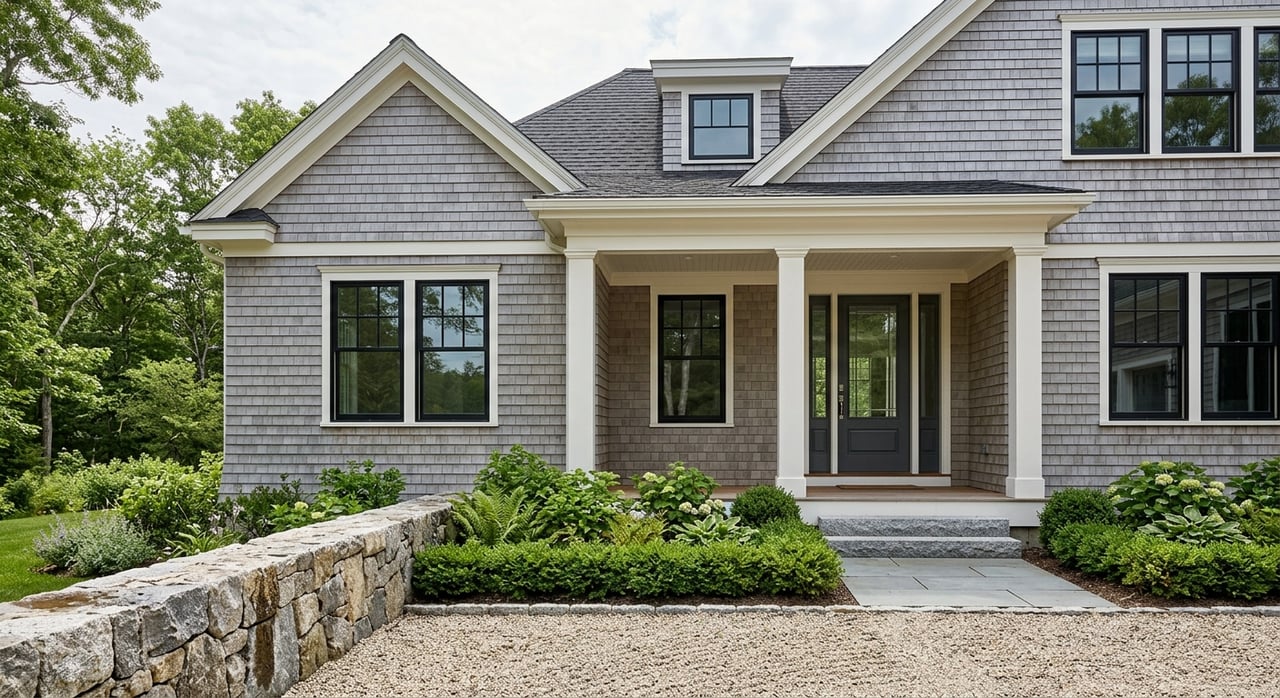
If you have been looking at homes in Norwalk and wondering why one neighborhood feels far more attainable than another, you are not imagining it. Norwalk is a coastal city with both urban and suburban patterns, and its pricing reflects how you want to live as much as where you want to be. Understanding that tradeoff can help you focus your search, set realistic expectations, and spot value more quickly. Let’s dive in.
A Guide to Norwalk CT Neighborhoods and Price Points
Norwalk’s housing plan makes one thing clear: this is not a one-note market. The city includes mixed-use, higher-density areas like SoNo and Wall Street, mixed-density neighborhoods like East Norwalk and Spring Hill, and larger-lot, lower-density areas such as West Norwalk, Cranbury, Rowayton, and Silvermine.
That urban-to-suburban gradient shapes both home styles and price points. Smaller lots tend to be closer to Downtown, South Norwalk, and Calf Pasture, while larger lots are more common in West Norwalk, Cranbury, Rowayton, and Silvermine. In simple terms, if you want to be closer in, you may trade yard size for convenience. If you want more land, you will often look farther from the denser core.
Norwalk also has limited undeveloped land, which can intensify competition in certain areas. About 65% of the city’s land is zoned for single-family homes, while about 13% is mixed use. That balance helps explain why inventory can feel very different from one neighborhood to the next.
It is also worth noting that citywide pricing can look slightly different depending on the data source. Realtor.com reports a median listing price around $669.5K, while Redfin reports a median sale price around $642K. That gap is a good reminder that asking prices and closed prices do not always tell the same story.
Norwalk neighborhoods at a glance
SoNo offers the clearest entry point
South Norwalk, often called SoNo, is one of Norwalk’s most distinct mixed-use areas. The city’s redevelopment planning describes it as a long-term district with housing, retail, civic, and institutional uses, with stronger pedestrian and bicycle connections to the rail station.
This helps explain why SoNo often appeals to buyers who want a more connected, lower-maintenance lifestyle. Current market data places SoNo at a median list price of $434K and a median sold price of $446K, with roughly 23 active listings. If your budget is in the lower range of Norwalk’s market, SoNo is the most obvious place to begin.
East Norwalk balances access and character
East Norwalk sits in a middle ground that many buyers find compelling. The neighborhood’s design guidelines emphasize a walkable, pedestrian- and bicyclist-friendly mixed-use village centered on the East Norwalk train station and main commercial streets, while also protecting the area’s historic design character and development pattern.
That blend of access and established neighborhood feel tends to support higher pricing than SoNo. Current Realtor.com data shows a median list price of $799K, about 40 active listings, and roughly 26 days on market. For many buyers, East Norwalk becomes a conversation about convenience, housing condition, and proximity to the station.
West Norwalk feels more suburban
West Norwalk offers a different rhythm. City planning materials describe scenic roads, open space, and sections made up primarily of single-family homes, while market descriptions note a mix of single-family homes and townhomes.
If you are looking for a more suburban setting, West Norwalk may feel like a natural fit. Current market data shows a median sale price of $732K and about 21 active listings. Compared with denser neighborhoods, the value conversation here often centers on lot size, privacy, and the type of home you can find at a given price point.
Rowayton is the premium coastal tier
Rowayton stands apart in Norwalk’s pricing structure. It is a larger-lot, low-density coastal village area, and current Realtor.com data shows a median list price of $2.595M with about 15 homes for sale.
This pricing reflects more than shoreline appeal alone. Rowayton’s Sixth Taxing District separately funds and maintains Bayley Beach, Pinkney Park, the Rowayton Community Center, the Rowayton Arts Center, and the district train station and parking lot. For buyers prioritizing a coastal village setting and district-supported amenities, Rowayton typically sits in Norwalk’s premium category.
How price points line up with neighborhoods
Around $400K to $550K
This range points most clearly to SoNo. With current pricing in the mid-$400Ks, it is Norwalk’s most visible entry-price neighborhood based on available neighborhood medians.
If you are shopping in this bracket, it helps to focus on lifestyle fit. SoNo is tied closely to mixed-use, transit-oriented living rather than larger lots or more suburban spacing.
Around $550K to $850K
This is where East Norwalk and West Norwalk come into sharper focus. Current medians around $799K for East Norwalk and $732K for West Norwalk place both neighborhoods squarely in this middle-market range.
In practice, buyers in this bracket often weigh a few core tradeoffs:
- Train access and walkability
- Lot size and outdoor space
- Home condition and renovation needs
- Proximity to Norwalk’s denser core versus a more suburban feel
Around $850K to $1.5M
At this level, you are often looking at stronger options in East or West Norwalk. That may mean a better lot, a more updated property, or a house with broader appeal within those neighborhoods.
This range may occasionally touch select opportunities in Rowayton, but buyers should expect to be selective. Rowayton’s median pricing sits well above this bracket, so availability at this level is likely to be limited relative to the broader neighborhood market.
$1.5M and above
Above $1.5M, Rowayton becomes the most natural target for buyers focused on Norwalk’s premium coastal-village segment. For many, the draw is the combination of shoreline setting, village character, and district-level amenities.
That said, your search strategy still matters. In higher price tiers, value depends not only on location but also on site position, property condition, and any review or permitting considerations tied to coastal location.
Practical filters to use before you search
Consider commute and station access
If rail access matters, SoNo and East Norwalk stand out. South Norwalk’s redevelopment plan emphasizes station-area walkability, and East Norwalk’s design guidance centers on the train station and nearby commercial streets.
That does not mean every home will feel equally convenient, but these areas are the strongest rail-oriented choices based on city planning documents. If your week depends on station access, that filter can narrow your search quickly.
Factor in coastal review complexity
Near-water and waterfront homes can come with extra layers of review. Norwalk’s coastal-area management guidance notes that work within the city’s coastal boundary can require coastal site plan review.
For buyers, this matters most when you are thinking beyond the purchase itself. If future improvements, additions, or exterior changes are part of your plan, the most water-adjacent locations may involve more permitting and design-review considerations than inland properties.
Look beyond list price to taxes and services
Norwalk’s separate taxing districts can affect ownership costs. South Norwalk, East Norwalk, and Rowayton each have distinct taxing districts, and the city notes that these districts can receive different service mixes and different property-tax rates.
That makes monthly carrying cost a more useful measure than list price alone. In Rowayton especially, district-supported amenities are part of the ownership equation and should be reviewed alongside the home itself.
Weigh lot size against closeness in
This is one of the most consistent tradeoffs in Norwalk. The city’s housing plan notes that larger lots cluster in West Norwalk, Cranbury, Rowayton, and Silvermine, while smaller lots are more common closer to Downtown, South Norwalk, and Calf Pasture.
For you, that often translates into a choice between space and immediacy. If you want to be close to mixed-use districts and stations, you may accept a smaller site. If outdoor space is a top priority, you will usually look toward the lower-density neighborhoods.
A simple way to think about Norwalk
If you want the shortest version, Norwalk breaks into three broad pricing tiers. SoNo is the city’s clearest entry-price neighborhood. East Norwalk and West Norwalk are the main middle-market options. Rowayton sits in the premium coastal tier.
That framework will not replace a home-by-home analysis, but it gives you a practical map. Once you know your budget, commute needs, and appetite for coastal or larger-lot living, your neighborhood search becomes much easier to refine.
Whether you are buying for lifestyle, long-term value, or a future renovation plan, the best decisions usually come from matching your priorities to the neighborhood pattern, not just the list price. If you want a tailored view of where your budget fits in Norwalk, Susan Vanech can help you evaluate the tradeoffs with clarity and discretion.
FAQs
What is the most affordable Norwalk neighborhood based on current median prices?
- Based on the current neighborhood medians in the research, SoNo is the clearest entry-price option, with a median list price of $434K and a median sold price of $446K.
Which Norwalk neighborhoods fit a budget between $550K and $850K?
- East Norwalk and West Norwalk are the most realistic targets in that range, with current median pricing around $799K and $732K respectively.
Why is Rowayton more expensive than other Norwalk neighborhoods?
- Rowayton combines a larger-lot, low-density coastal setting with district-supported amenities, and its current median list price is much higher than other featured Norwalk neighborhoods at $2.595M.
What should buyers know about coastal homes in Norwalk?
- Homes within Norwalk’s coastal boundary may involve coastal site plan review for certain work, which can add permitting and design-review considerations compared with inland properties.
Do taxing districts affect homeownership costs in Norwalk?
- Yes. South Norwalk, East Norwalk, and Rowayton have separate taxing districts, and the city says those districts can have different service mixes and property-tax rates.
Which Norwalk neighborhoods are best for train access?
- Based on city planning documents, SoNo and East Norwalk are the strongest rail-oriented choices because both areas are centered on station access and walkability.