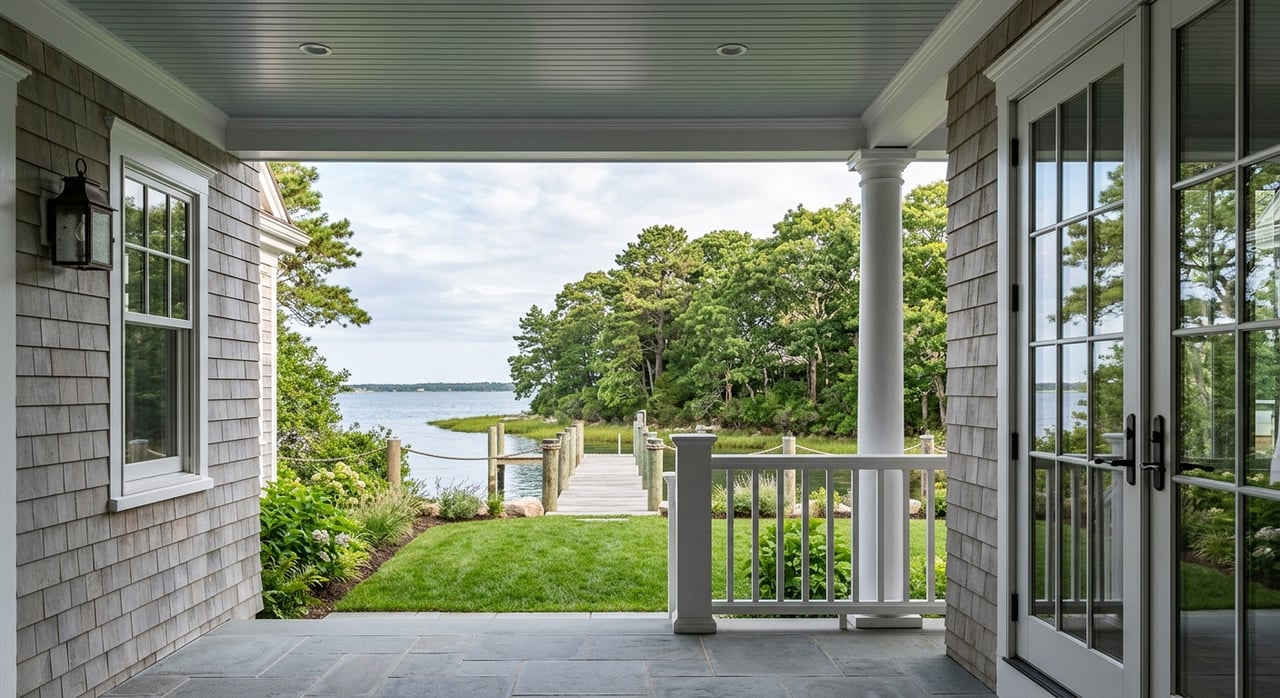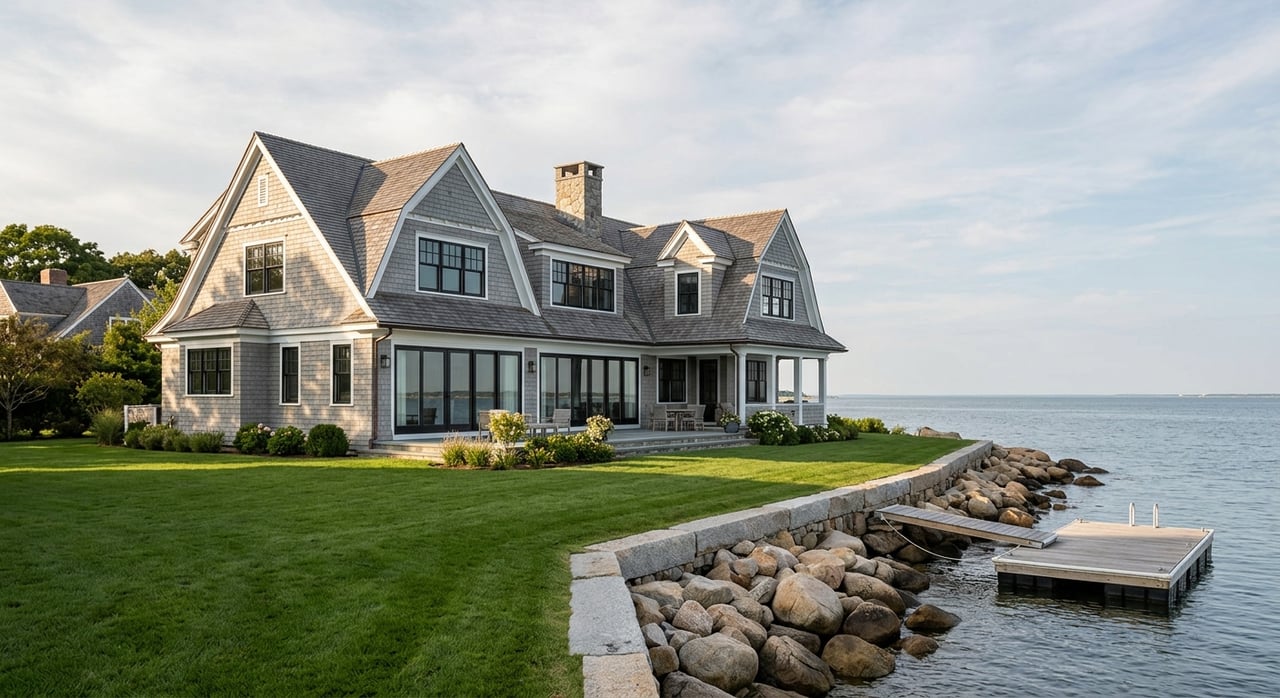
Are you looking for a Connecticut town where privacy, land, and nature take the lead? Weston appeals to buyers who want room to breathe, a quieter daily rhythm, and easy access to trails and open space without feeling completely removed from everyday needs. If you are considering a move here, understanding how Weston is laid out can help you decide whether its country setting truly fits your lifestyle. Let’s dive in.
Is Weston CT Country Living Right for You?
Weston is a residential town in southwestern Connecticut with about 10,150 residents, located roughly 45 miles from New York City. The town is known for minimal commercial development, abundant natural open space, and a housing pattern shaped by larger lots. That combination gives Weston a distinctly private, rural feel.
This is not a dense suburb built around constant foot traffic and a busy retail strip. Instead, Weston offers a small civic and commercial core surrounded by a much broader landscape of wooded roads, private homes, and open land. For many buyers, that contrast is exactly the draw.
How Two-Acre Zoning Shapes Life
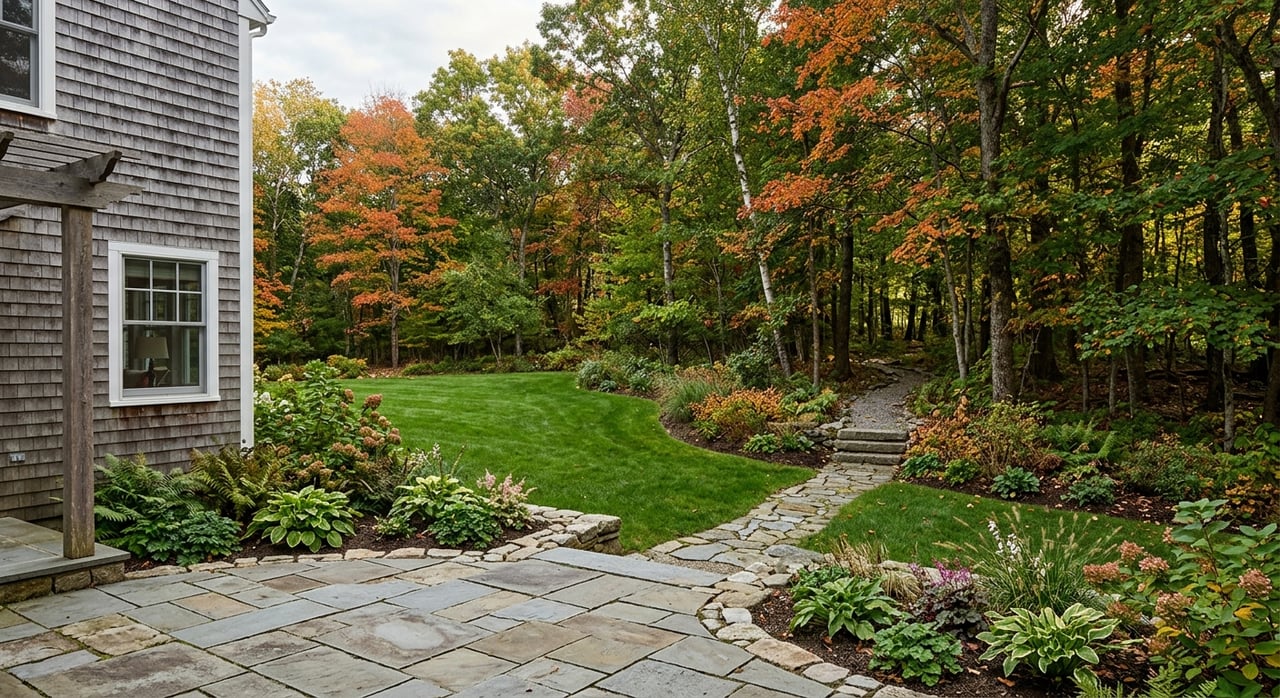
A big part of Weston’s identity comes from its zoning. In the town’s dominant R-2A residential district, the minimum lot area is two acres. In practical terms, that pattern tends to create more distance between homes, larger yards, and a calmer visual rhythm as you move through town.
For you as a buyer, that often means more privacy and a stronger sense of retreat. It can also mean more land to maintain, longer driveways, and a lifestyle that depends more on driving than walking. If you value space and separation, Weston’s zoning works like a lifestyle filter.
That larger-lot structure also helps explain why Weston feels consistent from one area to the next. Even when homes vary in age, architecture, or updates, the surrounding land often creates a sense of openness that is harder to find in denser Fairfield County markets.
The Town Center Is Small but Useful
Weston’s town center is intentionally compact. According to the town, it serves as the main commercial destination and community meet-up spot, with a food market, bank, dry cleaner, real estate office, post office, spirits shop, restaurant, and gas and service station.
That setup matters because it gives you practical convenience without changing the town’s overall character. You are not moving to Weston for a large downtown, but you do have a central place for errands and everyday touchpoints. For many buyers, that balance is appealing.
The town center also sits near key civic spaces. The four-school campus, Town Hall, library, and municipal offices are all within a short walk of one another, which gives this part of town a connected and functional feel.
Trails and Open Space Are Part of Daily Life
In Weston, nature is not just scenery. It is part of how many residents spend their free time and shape their routines. The town’s recreation assets include Bisceglie-Scribner Park, Morehouse Farm Park, Keene Park, the Middle School Pool, municipal tennis courts, and pickleball courts at Bisceglie-Scribner Park.
For dog owners, the town also maintains a 36-acre dog park at Lords Highway East and Davis Hill Road. That is a meaningful amenity if outdoor time with pets is part of your weekly routine.
Beyond town facilities, Weston stands out for the depth of its preserve network. The Nature Conservancy’s Lucius Pond Ordway-Devil’s Den Preserve in Weston and Redding spans 1,800 acres and includes a 20-mile trail system. The organization describes it as its largest preserve in Connecticut.
That gives Weston a strong advantage for buyers who want direct access to protected land and varied trail experiences. Some outings can feel like an easy reset close to home, while others are better suited to longer hikes and deeper immersion in the landscape.
More Than One Kind of Outdoor Experience
Weston’s outdoor appeal is layered. Through Aspetuck Land Trust, you will find access to a wider network of preserves and trails, including Trout Brook Valley Preserve in Easton and Weston, along with locations such as Honey Hill, Singing Oaks Preserve, Taylor Woods Preserve, Stonebridge Waterfowl Preserve, and the Weston Wilton Forest Reserve corridor.
That variety means your experience of Weston can look different depending on what you enjoy. You might prefer birding, shorter walks, quiet woods, or more active trail use. The point is not just that Weston has open space, but that it offers multiple ways to use it.
For buyers who want a home to feel like a retreat, this matters. A preserve-adjacent setting or a location near a forest corridor can change how your mornings, weekends, and everyday pace feel.
Weston Also Has a Shared Civic Life
While Weston is known for privacy, it is not only private. The town green has been redesigned as a civic gathering space with walkways, gardens, benches, lighting, and memorial features. That gives the center of town a more welcoming and social character.
Lachat Town Farm adds another layer to local life through its focus on agriculture, sustainability, nutrition, the environment, and the arts. Together, these spaces show that Weston’s identity is not limited to large lots and wooded roads. It also includes a modest but active shared center.
For some buyers, this is an important distinction. You can enjoy seclusion at home while still having places that support community events, seasonal outings, and a more connected town experience.
Schools and Everyday Logistics
Weston Public Schools serves students from kindergarten through grade 12 through four schools: Hurlbutt Elementary, Weston Intermediate, Weston Middle, and Weston High. The district notes that families must establish residency for enrollment, which is an important practical detail if school access is part of your move.
Even if schools are not your main reason for buying, their location adds to Weston’s convenience. The school campus is positioned near the town center and municipal services, which helps make daily logistics more manageable in a low-density town.
That convenience can be especially relevant if you are comparing Weston with towns where daily errands feel more spread out. In Weston, the center is small, but its functions are concentrated in a way that supports day-to-day life.
What Commuting From Weston Looks Like
Weston is best understood as a road-based town. Access is largely shaped by the Merritt Parkway, I-95, and I-84, with Route 57 and Norfield Road serving as key local routes.
If you travel regularly for work or split time between Connecticut and New York, Weston can still be practical, but it helps to go in with the right expectations. This is not a transit-first setting. Instead, it suits buyers who are comfortable driving and who value a quieter home environment enough to make that trade.
For rail travel, Connecticut’s New Haven Line connects towns and cities in the state to Grand Central Terminal, with regional connections available through the rail network. For many buyers, that means Weston can support periodic city access while still delivering a more tucked-away residential setting.
Which Weston Setting Fits You Best?
One of the most useful ways to think about Weston is by lifestyle pattern rather than only price or square footage. Different parts of town support different priorities.
Town-center-adjacent homes
If you want easier access to the library, Town Hall, the town green, schools, and daily errands, a home closer to the center may feel most convenient. This setting can be appealing if you want Weston’s rural atmosphere with a more connected daily routine.
Interior acreage homes
If privacy is your top priority, interior residential areas often highlight Weston’s two-acre zoning pattern most clearly. These homes may offer more yard space, more separation from neighbors, and a stronger sense of retreat.
Preserve-adjacent homes
If trails, quiet roads, and a natural backdrop are central to your lifestyle, homes near preserves or forest corridors may stand out. This can be especially attractive if you want outdoor access to feel built into your daily life.
Commute-oriented locations
If regional travel matters, homes with practical access to Route 57 and major parkways may deserve a closer look. These locations can help balance Weston’s country setting with the needs of a more mobile schedule.
Is Weston the Right Match?
Weston tends to resonate with buyers who value land, privacy, and a more peaceful pace. It can also appeal to right-sizers, lifestyle-driven buyers, and those who want a property that feels tucked away without losing access to a functioning town center.
The key is to see Weston clearly for what it is. It is not trying to be a walk-everywhere suburb or a retail-heavy destination. Its appeal comes from space, a compact civic core, and unusually strong access to trails, preserves, and open land.
If that combination sounds like the life you want to build, Weston is worth a closer look. And if you want help narrowing in on the part of town that best fits your routine, priorities, and property goals, working with a local advisor can make the search much more focused.
Whether you are drawn to a quiet acreage setting, a home near the town center, or a property with easy access to trails and regional travel, Susan Vanech can help you evaluate Weston with clarity and discretion.
FAQs
What is daily life in Weston, CT like for homebuyers?
- Weston offers a low-density residential setting with larger lots, limited commercial development, a small town center, and strong access to parks, trails, and preserved land.
How does two-acre zoning affect homes in Weston?
- In Weston’s main residential district, the two-acre minimum lot size generally supports more separation between homes, larger yards, and a quieter overall setting.
What kinds of outdoor amenities are available in Weston?
- Weston includes parks, tennis courts, pickleball courts, a middle school pool, a 36-acre dog park, and access to major preserve systems such as Devil’s Den and Trout Brook Valley.
Is Weston, CT walkable for errands and services?
- Weston is not a walk-everywhere suburb, but its compact town center provides a practical cluster of everyday services and civic buildings in one area.
What should buyers know about commuting from Weston?
- Commuting from Weston is mainly road-based, with access via the Merritt Parkway, I-95, I-84, Route 57, and nearby regional rail connections for trips toward New York City and other parts of Connecticut.
How do Weston schools fit into a move?
- Weston Public Schools serves K-12 through four schools, and the district notes that residency in town must be established for enrollment.