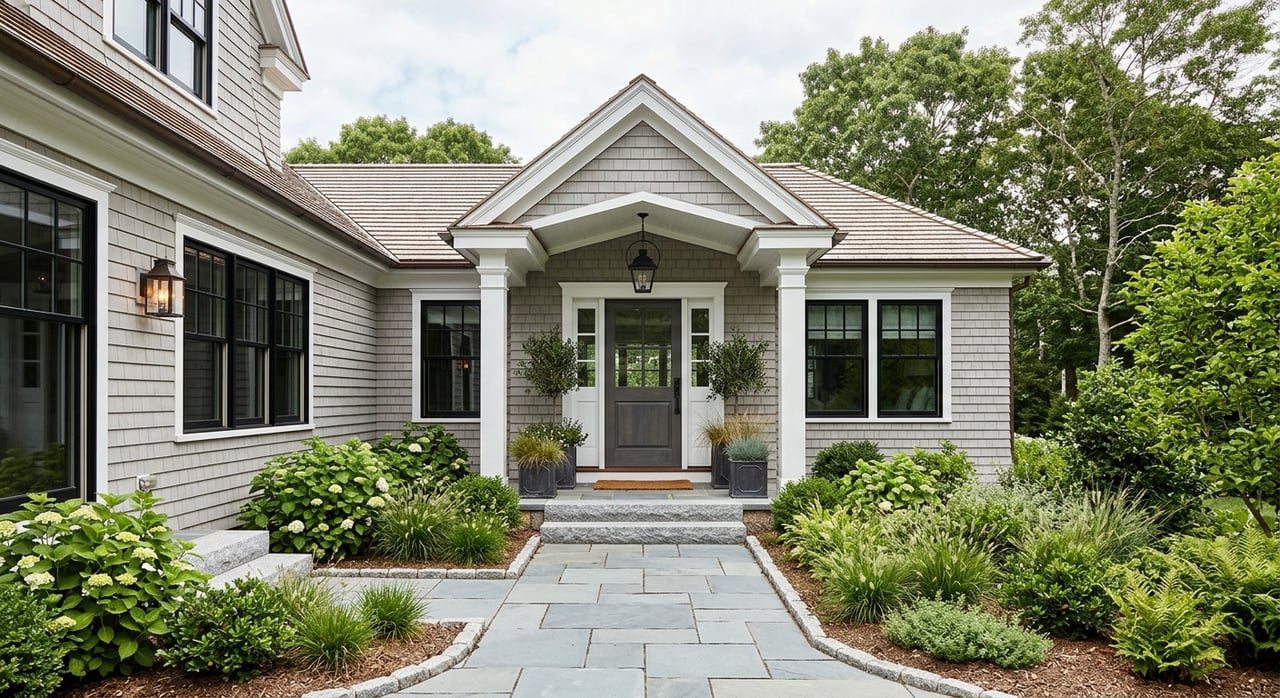
If you are thinking about trading square footage for simplicity, Fairfield and Southport offer a rare coastal downsizing spectrum. You can keep the shoreline setting, stay close to village life or rail service, and choose a home that fits how much maintenance you want to handle. The real question is usually not whether to downsize, but how you want to live next. Let’s dive in.
Why Fairfield and Southport stand out
For many right-sizers, these two areas work because they offer different versions of coastal living within the same corridor. Fairfield gives you a broader range of housing choices and a more active market, while Southport tends to feel smaller, more limited, and more selective in its inventory.
In the latest market snapshot, Fairfield had 166 homes for sale, a median listing price of $1.212M, a median sold price of $989,375, and a median 28 days on market. Southport’s market was tighter, with 20 homes for sale, a median listing price of $1.699M, and a median 48 days on market. Fairfield was described as seller-leaning, while Southport was buyer-leaning in the latest Realtor.com snapshots.
That difference matters if you are trying to balance timing, budget, and lifestyle. A broader Fairfield search may give you more flexibility, while a Southport search may require more patience but can open the door to a very specific village-and-water experience.
What downsizers are paying for here
When you downsize in this part of Fairfield County, you are often paying for three things at once: location, convenience, and maintenance relief. The size of the home may shrink, but the value of walkability, water access, and easier ownership often rises.
Fairfield condos currently show one of the clearest entry points into this lifestyle. Recent examples range from about $535,000 to $635,000 for units around 979 to 1,155 square feet, with some buildings offering features like elevator access, exercise rooms, and other amenities.
In Southport-area condo communities, current examples cluster around the upper-$500,000s to low-$600,000s. That can make condo ownership one of the more approachable ways to stay in the coastal market while reducing yard work and exterior upkeep.
Townhomes are a different conversation. Current Southport and Southport-adjacent examples run from about $975,000 to $2.2M, which shows that downsizing does not always mean spending less. In many cases, you are choosing a smaller footprint but keeping, or even elevating, the location and amenity package.
Detached homes can also work for right-sizing, especially if your goal is to keep private ownership with a more manageable property. In the 06890 ZIP code, current single-family examples begin around $899,000 and rise quickly into the $1.7M to $1.9M range. At the top end, Fairfield Beach has a median listing price of $2.1495M, which reflects the premium attached to true beach-adjacent detached living.
Choosing the right home type
Condos for lock-and-leave ease
If your top priority is simplicity, condos deserve a close look. In this market, the appeal is often less about price alone and more about handing off exterior maintenance, landscaping, and other shared responsibilities to the association.
That trade can be especially attractive if you travel often, want a single-level layout, or simply do not want the work that comes with a detached property. Some local condo options also include amenities such as elevators, fitness spaces, clubhouse access, or beach-related benefits, depending on the community.
The key is to look beyond the asking price. Monthly HOA charges can materially affect your real ownership cost, and what is included can vary widely from one building or community to the next.
Townhomes for space with less upkeep
Townhomes tend to appeal to downsizers who still want more room, a private garage, or a house-like layout without taking on full exterior responsibility. In Southport, this category often sits at a premium price point because buyers are also paying for location, design, and in some cases water views or beach access.
HOA structures also differ from community to community. Current examples in the market show monthly fees such as $400 and $640, with some listings highlighting features like elevator access, golf, beach access, and garages.
If you want a middle ground between condo living and a detached home, this can be a strong fit. It is often more about reducing maintenance than reducing investment.
Single-family homes for ownership flexibility
For some buyers, downsizing still means keeping a front door that is fully your own. A smaller-lot or updated single-family home can offer that sense of independence while easing the burden of ongoing maintenance.
This option often works best if you are not ready for shared walls or association rules, but you still want a more manageable footprint. In Southport and nearby Fairfield, the tradeoff is that detached ownership near the coast remains expensive, especially when walkability or water proximity enters the picture.
The hidden costs to review carefully
HOA fees and special assessments
In Connecticut, condos and many townhome communities operate under the Common Interest Ownership Act. That means associations can collect common charges, adopt annual budgets, and levy special assessments for shared expenses.
For you, that makes document review essential. Ask what the monthly fee covers, how often charges have changed, whether the association has healthy reserves, and whether any recent or planned special assessments could affect your budget.
A lower-maintenance lifestyle can be well worth it, but only if you understand the full cost structure upfront. Clarity matters just as much as curb appeal.
Flood insurance and coastal exposure
If you are buying close to the water, flood risk should be part of your early due diligence. Connecticut law requires associations in flood-hazard areas to maintain flood insurance to the extent it is reasonably available, and homes in high-risk flood zones with federally backed mortgages must carry flood insurance.
That means the answer may differ depending on the property type. In some communities, flood coverage may be built into the association structure. In others, it may be a separate owner expense.
This is one of the most important budget questions in coastal downsizing. The monthly carrying cost can change meaningfully depending on location and property setup.
Historic district review in Southport
Southport’s character is a major part of its appeal, but it can also come with added ownership considerations. The Southport Historic District was formed in 1967, expanded in 2007, includes more than 150 buildings, and requires owners to consult the Historic District Commission before many exterior changes.
If you are considering a home in the district, ask early what work may require a Certificate of Appropriateness. Even if the house feels like a lower-maintenance choice, renovation timelines and design decisions may still be shaped by local review requirements.
That does not make historic ownership a drawback. It simply means that “easy living” can mean something different in a historic home than it does in a condo community.
Lifestyle details that shape daily life
Beach access is not one-size-fits-all
Fairfield has five miles of coastline and five beaches, which is a major part of the town’s appeal. But access rules vary by beach and by season, and that matters when you are deciding where to live.
In season, Southport, Sasco, and South Pine Creek beaches are resident-only for parking, while Jennings and Penfield can be accessed with a sticker or daily fee. If beach use is part of your daily vision for downsizing, make sure you understand how parking rights work before you buy.
This is an easy detail to overlook, but it can have a real impact on how often you enjoy the shoreline. Coastal living feels different when access is seamless.
Walkability and rail can be just as valuable
Many buyers start with the water, then realize that convenience shapes daily life just as much. Southport’s value proposition is tied not only to its harbor and village atmosphere, but also to its station-area walkability and historic streetscape.
Rail access remains a practical advantage throughout the area. The MTA lists Southport, Fairfield, and Fairfield-Black Rock among New Haven Line stations, and Fairfield-Black Rock is listed as an accessible station.
For some right-sizers, the winning move is not the closest house to the shore. It is the home that lets you walk to the village, reach the train with ease, and still enjoy the coast as part of your routine.
Culture adds to the lifestyle equation
Fairfield also brings a strong civic and cultural layer to the downsizing decision. Its downtown and town green are part of a designated Cultural District, and local anchors include Fairfield Theatre Company and Pequot Library in Southport Village.
That matters because many downsizers are not only simplifying a house. They are curating a lifestyle with less driving, more access, and more reasons to enjoy the place they live.
How to decide between Fairfield and Southport
If you want the widest range of choices, Fairfield may offer the easier starting point. The market is larger, the inventory is broader, and the housing mix gives you more ways to match budget with lifestyle priorities.
If your focus is village character, a smaller-market feel, and a more distinct historic coastal setting, Southport may be worth the narrower search. It often appeals to buyers who value walkability and place just as much as square footage.
In practice, the best fit usually comes down to what you want to simplify. If you want to eliminate maintenance, a condo may be the answer. If you want to keep privacy and ownership flexibility, a smaller detached home may feel better. If you want a polished middle ground, a townhome may offer the right balance.
A thoughtful downsizing move should support the way you want to live now, not just reduce the number of rooms you clean. If you are weighing Fairfield against Southport, Susan Vanech can help you compare the tradeoffs with discretion, clarity, and local insight.
FAQs
What does downsizing in Fairfield usually cost?
- In the latest snapshot, Fairfield’s median listing price was $1.212M, with condo examples in roughly the $535,000 to $635,000 range and Fairfield Beach priced much higher, at a median listing price of $2.1495M.
What does downsizing in Southport usually cost?
- Southport’s latest market snapshot showed a median listing price of $1.699M, while the 06890 ZIP code was at $1.842M; condo examples clustered around the upper-$500,000s to low-$600,000s, and townhomes ranged from about $975,000 to $2.2M.
What do HOA fees cover in Fairfield and Southport condos?
- Coverage varies by community, but in Connecticut common charges may support shared maintenance, insurance, services, and amenities, so you should review the budget, reserves, and any special assessments before buying.
Do Southport homes in the historic district have renovation rules?
- Yes. In the Southport Historic District, many exterior changes require review by Fairfield’s Historic District Commission, and some work needs a Certificate of Appropriateness.
Do downsizers in Fairfield and Southport need to think about flood insurance?
- Yes. For coastal properties, flood insurance can be an important part of your ownership cost, and whether it is handled through an association or separately depends on the property and location.
Are Fairfield beaches open to everyone year-round?
- Beach access rules vary. In season, Southport, Sasco, and South Pine Creek beaches are resident-only for parking, while Jennings and Penfield can be accessed with a sticker or daily fee.